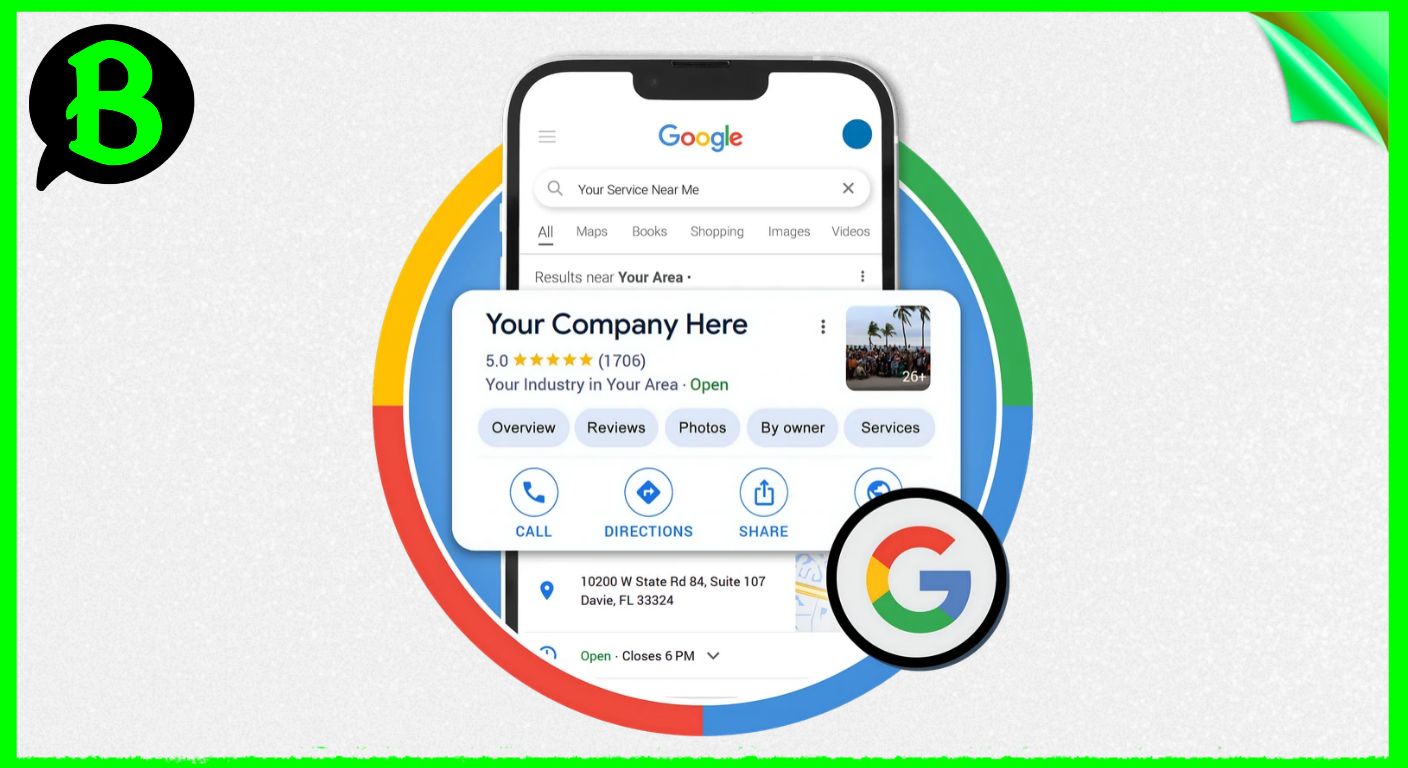

Understanding Search Engine Optimisation, Generative Engine Optimisation and Answer Engine Optimisation
Disclaimer
This guide is intended for educational purposes and reflects current industry best practices relating to digital marketing, search engine optimisation and AI powered search technologies.
Search algorithms and artificial intelligence platforms continue to evolve. Businesses should regularly review their digital marketing strategies to remain aligned with changing technologies and user behaviour.
Why Search Has Changed
For more than twenty years, businesses focused almost entirely on ranking on Google.
If your website appeared on the first page of search results, your chances of attracting customers increased significantly.
Today, search works differently.
People still use traditional search engines, but millions of users are now asking questions directly through AI platforms such as ChatGPT, Google Gemini, Microsoft Copilot and Perplexity.
Instead of receiving a list of websites, users increasingly receive direct answers generated by artificial intelligence.
This shift is changing how businesses are discovered online.
Websites that were designed only for traditional search may miss opportunities to appear in AI generated answers.
Understanding the difference between SEO, GEO and AEO has therefore become essential for businesses that want to remain visible online.
Quick Answer
What Is the Difference Between SEO, GEO and AEO?
Although these terms are closely related, each serves a different purpose.
SEO (Search Engine Optimisation) focuses on improving a website so it ranks higher in traditional search engines such as Google and Bing.
GEO (Generative Engine Optimisation) focuses on creating content that artificial intelligence platforms can easily understand, trust and reference when generating answers.
AEO (Answer Engine Optimisation) focuses on structuring information so that search engines and AI assistants can provide direct answers to users' questions.
Rather than replacing one another, SEO, GEO and AEO work together to improve online visibility across both traditional search engines and modern AI powered search experiences.
What Is Search Engine Optimisation (SEO)?
Search Engine Optimisation, commonly known as SEO, is the process of improving a website so that it appears higher in organic search results.
Unlike paid advertising, SEO focuses on earning visibility through relevance, authority and high quality content.
SEO typically includes:
- Keyword research.
- Helpful content creation.
- Technical website optimisation.
- Internal linking.
- Mobile friendly design.
- Fast loading pages.
- Structured website architecture.
- High quality backlinks.
The goal is simple.
Help search engines understand your website so they can confidently recommend it to users searching for relevant information.
Benefits of SEO
Businesses that invest in SEO often benefit from:
- Increased organic traffic.
- Greater online visibility.
- Higher brand credibility.
- Better user experience.
- Long term return on investment.
- Increased enquiries and sales.
SEO remains one of the most valuable long term digital marketing strategies because strong rankings can continue generating traffic for years.
What Is Generative Engine Optimisation (GEO)?
Generative Engine Optimisation is one of the newest developments in digital marketing.
Instead of focusing only on search rankings, GEO focuses on making content understandable and trustworthy for artificial intelligence systems.
When someone asks an AI assistant a question, it analyses large amounts of trusted information before generating a response.
Businesses using GEO create content that AI systems can:
- Understand.
- Verify.
- Summarise.
- Reference.
- Recommend.
This often includes:
- Clear definitions.
- Well organised headings.
- Frequently asked questions.
- Authoritative sources.
- Accurate information.
- Consistent terminology.
The easier your content is for AI systems to interpret, the greater the likelihood that it may contribute to AI generated answers.
Benefits of GEO
Generative Engine Optimisation helps businesses:
- Increase visibility in AI powered search.
- Build authority.
- Improve content clarity.
- Strengthen trust signals.
- Prepare for the future of online search.
As AI continues to influence how people discover businesses, GEO is becoming an increasingly important part of digital marketing.
What Is Answer Engine Optimisation (AEO)?
Answer Engine Optimisation focuses on helping search engines and AI assistants provide direct answers to users.
Instead of simply ranking pages, AEO structures content so individual questions can be answered clearly.
Examples include:
- Frequently asked questions.
- Step by step guides.
- Definitions.
- Comparison tables.
- Lists.
- Structured headings.
AEO helps search engines identify specific pieces of information that may be displayed as featured snippets, knowledge panels or AI generated responses.
Benefits of AEO
Businesses using AEO often experience:
- Greater visibility in featured results.
- Improved user experience.
- Better content organisation.
- Increased authority.
- Stronger compatibility with AI search systems.
Answer Engine Optimisation complements both SEO and GEO by ensuring information is presented in formats that machines and people can understand easily.
Search Is No Longer Just Google
Consumers now discover businesses through multiple platforms.
These include:
- Traditional Google searches.
- Bing Search.
- ChatGPT.
- Google Gemini.
- Microsoft Copilot.
- Perplexity AI.
- Voice assistants.
- Smart devices.
Each platform retrieves and presents information differently.
Businesses that optimise only for one platform may limit their visibility across the broader search ecosystem.
Modern digital marketing therefore requires a strategy that considers both search engines and artificial intelligence.
Why Businesses Need All Three Strategies
Some businesses ask whether they should choose SEO, GEO or AEO.
The better question is how these strategies work together.
SEO helps your website become visible.
GEO helps AI understand your expertise.
AEO helps users receive clear answers to their questions.
Together, these three strategies create a stronger online presence that supports both traditional search and the future of AI powered discovery.
SEO vs GEO vs AEO Comparison
Although SEO, GEO and AEO all aim to improve online visibility, they focus on different aspects of how people discover information.
| Feature | SEO | GEO | AEO |
|---|---|---|---|
| Primary Goal | Rank higher in search engines | Help AI understand and reference your content | Answer user questions directly |
| Main Audience | Google and Bing users | AI platforms like ChatGPT, Google Gemini and Perplexity | Search engines, AI assistants and voice search |
| Focus | Rankings and organic traffic | AI readability and trust | Clear, direct answers |
| Content Style | Optimised web pages | Structured, authoritative content | Question and answer format |
| Results | Organic search visibility | AI citations and recommendations | Featured snippets and AI answers |
| Timeframe | Medium to long term | Medium to long term | Medium term |
| Success Metric | Rankings and traffic | AI visibility and citations | Answer visibility and engagement |
Although each strategy has a different purpose, they become significantly more effective when used together.
10 Key Differences Between SEO, GEO and AEO
1. Different Goals
SEO aims to improve rankings in traditional search engines.
GEO focuses on making content understandable and trustworthy for artificial intelligence.
AEO focuses on answering questions as clearly as possible.
Each strategy supports a different stage of the modern search experience.
2. Different Search Platforms
SEO primarily targets search engines such as Google and Bing.
GEO focuses on AI powered platforms including ChatGPT, Google Gemini, Microsoft Copilot and Perplexity.
AEO supports both search engines and AI assistants by presenting information in formats that are easy to understand.
3. Different Content Structures
Traditional SEO often centres around keywords, internal linking and topical authority.
GEO benefits from well organised content that includes:
- Clear headings.
- Definitions.
- Context.
- Supporting evidence.
- Credible references.
AEO focuses heavily on:
- Questions.
- Answers.
- Lists.
- Comparison tables.
- Step by step explanations.
4. Keywords Versus Context
SEO still relies on keywords to help search engines understand page relevance.
GEO places greater emphasis on context.
Artificial intelligence analyses relationships between ideas rather than relying only on exact keyword matches.
This makes natural writing increasingly important.
5. Authority and Trust
SEO rewards websites that demonstrate expertise and credibility.
GEO expands this concept by encouraging businesses to publish content that AI systems recognise as reliable and well supported.
Businesses that consistently publish accurate information strengthen their authority across both traditional and AI search.
6. User Intent
Modern optimisation is no longer only about ranking.
It is about understanding why people are searching.
SEO analyses search intent.
AEO answers search intent.
GEO provides enough context for AI systems to explain search intent.
These approaches complement one another rather than compete.
7. How Results Are Displayed
SEO usually produces a list of search results.
AEO often contributes to featured snippets, knowledge panels and direct answers.
GEO increases the likelihood that AI platforms reference or summarise your content when responding to users.
The search experience has become much more conversational.
8. Measuring Success
SEO success is often measured through:
- Rankings.
- Organic traffic.
- Click through rates.
- Conversions.
GEO success may include:
- AI citations.
- AI recommendations.
- Brand mentions.
- Visibility within AI generated responses.
AEO success often focuses on:
- Featured snippets.
- Direct answers.
- User engagement.
- Voice search visibility.
Businesses should measure success across multiple channels rather than relying on rankings alone.
9. Long Term Value
SEO remains one of the strongest long term digital investments.
GEO prepares businesses for the continued growth of AI powered search.
AEO helps content remain useful regardless of how search technology evolves.
Together they create a more resilient digital strategy.
10. The Future of Search
Search is no longer limited to typing keywords into a search engine.
Consumers increasingly ask complete questions such as:
"Who designs SEO friendly websites in South Africa?"
"Which digital marketing agency understands AI search?"
"How can I improve my Google Business Profile?"
Businesses that answer these questions clearly are more likely to appear across traditional search engines and AI powered platforms.
A Real World Example
Imagine a customer searches:
"Best website designer for small businesses in South Africa."
SEO
Your website ranks on Google because it contains high quality content, relevant keywords and strong technical optimisation.
GEO
An AI assistant understands that your website demonstrates expertise through detailed articles, structured headings and trustworthy information.
It may summarise your content when answering the user's question.
AEO
Your frequently asked questions, comparison tables and concise definitions help search engines and AI assistants generate direct answers.
Each strategy contributes differently, but together they create a stronger online presence.
Common Misconceptions
"SEO Is Dead"
SEO continues to play an essential role.
Without strong technical optimisation and quality content, search engines may struggle to understand your website.
SEO has evolved rather than disappeared.
"AI Will Replace Google"
Artificial intelligence is changing how people search, but traditional search engines remain widely used.
Many AI platforms also rely on search engine indexes and trusted online sources.
Businesses should optimise for both.
"Keywords No Longer Matter"
Keywords remain valuable because they help search engines understand page topics.
However, modern optimisation also requires natural language, clear context and comprehensive explanations.
Quality content matters more than keyword repetition.
"Only Large Businesses Benefit"
Small businesses can benefit significantly from SEO, GEO and AEO.
Well written, authoritative content allows smaller companies to compete by demonstrating expertise rather than relying solely on advertising budgets.
Which Strategy Should Your Business Choose?
The answer is not one or the other.
Successful businesses combine all three.
SEO provides long term visibility.
GEO improves AI understanding and trust.
AEO makes information easier for users and machines to consume.
Together they create a comprehensive search strategy that supports both today's search engines and tomorrow's AI powered experiences.
Practical Tips for South African Businesses
If you want to improve your online visibility, consider the following:
- Publish helpful articles regularly.
- Answer customer questions clearly.
- Optimise your Google Business Profile.
- Improve website speed.
- Use descriptive headings.
- Add frequently asked questions.
- Link related articles together.
- Keep information accurate and up to date.
- Demonstrate expertise through original content.
- Build trust by citing reliable sources.
Small improvements made consistently often produce the strongest long term results.
Why the Future Belongs to Businesses That Educate
Modern search rewards businesses that educate rather than simply advertise.
Customers increasingly research products and services before making purchasing decisions.
By publishing useful, trustworthy and well structured content, businesses position themselves as reliable sources of information.
This approach not only improves search visibility but also strengthens customer confidence and long term brand credibility.
Frequently Asked Questions
What is SEO?
Search Engine Optimisation (SEO) is the process of improving a website so it appears higher in organic search results on search engines such as Google and Bing. SEO focuses on increasing visibility, attracting qualified traffic and improving the overall user experience.
What is GEO?
Generative Engine Optimisation (GEO) is the practice of creating content that artificial intelligence platforms can easily understand, evaluate and reference when generating answers.
Unlike traditional SEO, GEO focuses on helping AI systems identify trustworthy, well structured and authoritative information.
What is AEO?
Answer Engine Optimisation (AEO) is the process of organising content so search engines and AI assistants can provide direct answers to users.
AEO often includes:
- Frequently asked questions.
- Definitions.
- Comparison tables.
- Step by step guides.
- Structured headings.
Is SEO still important in 2026?
Yes.
SEO remains one of the most effective long term digital marketing strategies.
Although AI powered search is growing rapidly, search engines continue to play a central role in how people discover businesses online.
SEO now works alongside GEO and AEO rather than replacing them.
Will AI replace search engines?
Artificial intelligence is changing how people search for information, but it has not replaced traditional search engines.
Many AI platforms rely on information published across the web, making high quality website content more important than ever.
Can small businesses benefit from GEO?
Absolutely.
Generative Engine Optimisation is not limited to large companies.
Small businesses that publish clear, trustworthy and well organised content can also improve their visibility within AI generated search experiences.
Why is structured content important?
Structured content helps both people and technology understand information more easily.
Using descriptive headings, logical sections, bullet points and frequently asked questions improves readability while making it easier for search engines and AI platforms to interpret your content.
Does AEO improve voice search?
Yes.
Many voice assistants rely on structured content to answer questions.
Well organised information increases the likelihood that your content can be used in voice search responses.
What role does E-E-A-T play?
Google encourages content that demonstrates:
- Experience.
- Expertise.
- Authoritativeness.
- Trustworthiness.
These principles help businesses create content that users and search engines can trust.
Strong E-E-A-T also supports GEO because AI systems favour reliable and well supported information.
How often should businesses update their content?
Content should be reviewed regularly to ensure it remains accurate, relevant and useful.
Updating statistics, references, examples and industry developments helps maintain authority over time.
Does AI generated content rank on Google?
Google focuses on the quality and usefulness of content rather than how it was created.
Content should always be accurate, original, helpful and reviewed before publication.
Businesses should prioritise value over automation.
Can one article support SEO, GEO and AEO?
Yes.
A well written article can:
Target relevant keywords for SEO.
Include structured headings and definitions for GEO.
Answer common questions for AEO.
Combining these approaches creates stronger content that serves both readers and technology.
How does internal linking help?
Internal links connect related articles across your website.
They help visitors discover more content while also helping search engines and AI systems understand how topics relate to one another.
A strong internal linking strategy builds topical authority.
Why is topical authority important?
Topical authority develops when a website publishes comprehensive, high quality content around a specific subject.
Businesses that consistently educate their audience become more trusted by both users and search platforms.
What is the future of digital search?
Search is becoming increasingly conversational.
Instead of typing short keywords, users now ask complete questions using AI assistants and voice search.
Businesses that provide clear, accurate and trustworthy answers are better positioned for long term visibility.
Key Takeaways
- SEO improves visibility in traditional search engines.
- GEO helps artificial intelligence understand and reference your content.
- AEO structures information so users receive direct answers.
- These strategies work together rather than competing with one another.
- High quality, trustworthy content supports all three approaches.
- Businesses that educate their audience build stronger authority and credibility.
- The future of search combines traditional SEO with AI ready content.
Final Thoughts
The way people search for information is evolving rapidly.
Traditional search engines remain important, but AI powered platforms are becoming an increasingly common starting point for research and purchasing decisions.
Businesses that continue relying only on traditional SEO may miss valuable opportunities to appear in AI generated responses.
Likewise, focusing only on AI without maintaining a technically strong website is unlikely to produce sustainable results.
The strongest digital strategy combines SEO, GEO and AEO into a single, integrated approach.
By creating helpful, trustworthy and well organised content, businesses improve their visibility across search engines, AI assistants and future search technologies.
The goal is no longer simply to rank.
The goal is to become the trusted source that people and AI systems choose to reference.
About Bubble Bekkie Advertising
Bubble Bekkie Advertising is an award winning South African digital marketing agency helping businesses build a stronger online presence through ethical marketing, technical expertise and future ready digital strategies.
Our services include:
- Professional website design.
- E-commerce website development.
- Search Engine Optimisation (SEO).
- Google Business Profile optimisation.
- AI ready content creation.
- Digital marketing strategy.
- Social media marketing.
- Branding and graphic design.
We believe that businesses achieve sustainable growth by combining technical excellence with clear communication, trustworthy content and long term digital planning.
Continue Learning
Explore more expert resources from Bubble Bekkie Advertising:
AI Search Guide for South African Businesses
Learn how artificial intelligence is changing online search and discover practical strategies for improving your business's visibility in AI powered search experiences.
You may also find these articles helpful:
Consumer Rights and Ethical Marketing in South Africa.
Ethical Marketing Guide for South African Business Owners.
The Digital Marketing Economy in South Africa.
Together, these resources form part of our Digital Marketing Knowledge Centre, designed to help South African businesses navigate the future of online marketing with confidence.
References
Google Search Central
https://developers.google.com/search
Google Search Quality Evaluator Guidelines
https://developers.google.com/search/docs/fundamentals/creating-helpful-content
Microsoft Bing Webmaster Guidelines
https://www.bing.com/webmasters
OpenAI
Google AI
Last Updated: July 2026
This guide is reviewed regularly to reflect developments in search engine optimisation, AI powered search, answer engine optimisation and digital marketing best practices relevant to South African businesses.