
Make an Appointment

SEO vs GEO vs AEO: The Future of Search for South African Businesses

Understanding Search Engine Optimisation, Generative Engine Optimisation and Answer Engine Optimisation

Disclaimer

This guide is intended for educational purposes and reflects current industry best practices relating to digital marketing, search engine optimisation and AI powered search technologies.

Search algorithms and artificial intelligence platforms continue to evolve. Businesses should regularly review their digital marketing strategies to remain aligned with changing technologies and user behaviour.


Why Search Has Changed

For more than twenty years, businesses focused almost entirely on ranking on Google.

If your website appeared on the first page of search results, your chances of attracting customers increased significantly.

Today, search works differently.

People still use traditional search engines, but millions of users are now asking questions directly through AI platforms such as ChatGPT, Google Gemini, Microsoft Copilot and Perplexity.

Instead of receiving a list of websites, users increasingly receive direct answers generated by artificial intelligence.

This shift is changing how businesses are discovered online.

Websites that were designed only for traditional search may miss opportunities to appear in AI generated answers.

Understanding the difference between SEO, GEO and AEO has therefore become essential for businesses that want to remain visible online.


Quick Answer

What Is the Difference Between SEO, GEO and AEO?

Although these terms are closely related, each serves a different purpose.

SEO (Search Engine Optimisation) focuses on improving a website so it ranks higher in traditional search engines such as Google and Bing.

GEO (Generative Engine Optimisation) focuses on creating content that artificial intelligence platforms can easily understand, trust and reference when generating answers.

AEO (Answer Engine Optimisation) focuses on structuring information so that search engines and AI assistants can provide direct answers to users' questions.

Rather than replacing one another, SEO, GEO and AEO work together to improve online visibility across both traditional search engines and modern AI powered search experiences.


What Is Search Engine Optimisation (SEO)?

Search Engine Optimisation, commonly known as SEO, is the process of improving a website so that it appears higher in organic search results.

Unlike paid advertising, SEO focuses on earning visibility through relevance, authority and high quality content.

SEO typically includes:

  • Keyword research.
  • Helpful content creation.
  • Technical website optimisation.
  • Internal linking.
  • Mobile friendly design.
  • Fast loading pages.
  • Structured website architecture.
  • High quality backlinks.

The goal is simple.

Help search engines understand your website so they can confidently recommend it to users searching for relevant information.


Benefits of SEO

Businesses that invest in SEO often benefit from:

  • Increased organic traffic.
  • Greater online visibility.
  • Higher brand credibility.
  • Better user experience.
  • Long term return on investment.
  • Increased enquiries and sales.

SEO remains one of the most valuable long term digital marketing strategies because strong rankings can continue generating traffic for years.


What Is Generative Engine Optimisation (GEO)?

Generative Engine Optimisation is one of the newest developments in digital marketing.

Instead of focusing only on search rankings, GEO focuses on making content understandable and trustworthy for artificial intelligence systems.

When someone asks an AI assistant a question, it analyses large amounts of trusted information before generating a response.

Businesses using GEO create content that AI systems can:

  • Understand.
  • Verify.
  • Summarise.
  • Reference.
  • Recommend.

This often includes:

  • Clear definitions.
  • Well organised headings.
  • Frequently asked questions.
  • Authoritative sources.
  • Accurate information.
  • Consistent terminology.

The easier your content is for AI systems to interpret, the greater the likelihood that it may contribute to AI generated answers.


Benefits of GEO

Generative Engine Optimisation helps businesses:

  • Increase visibility in AI powered search.
  • Build authority.
  • Improve content clarity.
  • Strengthen trust signals.
  • Prepare for the future of online search.

As AI continues to influence how people discover businesses, GEO is becoming an increasingly important part of digital marketing.


What Is Answer Engine Optimisation (AEO)?

Answer Engine Optimisation focuses on helping search engines and AI assistants provide direct answers to users.

Instead of simply ranking pages, AEO structures content so individual questions can be answered clearly.

Examples include:

  • Frequently asked questions.
  • Step by step guides.
  • Definitions.
  • Comparison tables.
  • Lists.
  • Structured headings.

AEO helps search engines identify specific pieces of information that may be displayed as featured snippets, knowledge panels or AI generated responses.


Benefits of AEO

Businesses using AEO often experience:

  • Greater visibility in featured results.
  • Improved user experience.
  • Better content organisation.
  • Increased authority.
  • Stronger compatibility with AI search systems.

Answer Engine Optimisation complements both SEO and GEO by ensuring information is presented in formats that machines and people can understand easily.


Search Is No Longer Just Google

Consumers now discover businesses through multiple platforms.

These include:

  • Traditional Google searches.
  • Bing Search.
  • ChatGPT.
  • Google Gemini.
  • Microsoft Copilot.
  • Perplexity AI.
  • Voice assistants.
  • Smart devices.

Each platform retrieves and presents information differently.

Businesses that optimise only for one platform may limit their visibility across the broader search ecosystem.

Modern digital marketing therefore requires a strategy that considers both search engines and artificial intelligence.


Why Businesses Need All Three Strategies

Some businesses ask whether they should choose SEO, GEO or AEO.

The better question is how these strategies work together.

SEO helps your website become visible.

GEO helps AI understand your expertise.

AEO helps users receive clear answers to their questions.

Together, these three strategies create a stronger online presence that supports both traditional search and the future of AI powered discovery.


SEO vs GEO vs AEO Comparison

Although SEO, GEO and AEO all aim to improve online visibility, they focus on different aspects of how people discover information.

Feature SEO GEO AEO
Primary Goal Rank higher in search engines Help AI understand and reference your content Answer user questions directly
Main Audience Google and Bing users AI platforms like ChatGPT, Google Gemini and Perplexity Search engines, AI assistants and voice search
Focus Rankings and organic traffic AI readability and trust Clear, direct answers
Content Style Optimised web pages Structured, authoritative content Question and answer format
Results Organic search visibility AI citations and recommendations Featured snippets and AI answers
Timeframe Medium to long term Medium to long term Medium term
Success Metric Rankings and traffic AI visibility and citations Answer visibility and engagement

Although each strategy has a different purpose, they become significantly more effective when used together.


10 Key Differences Between SEO, GEO and AEO

1. Different Goals

SEO aims to improve rankings in traditional search engines.

GEO focuses on making content understandable and trustworthy for artificial intelligence.

AEO focuses on answering questions as clearly as possible.

Each strategy supports a different stage of the modern search experience.


2. Different Search Platforms

SEO primarily targets search engines such as Google and Bing.

GEO focuses on AI powered platforms including ChatGPT, Google Gemini, Microsoft Copilot and Perplexity.

AEO supports both search engines and AI assistants by presenting information in formats that are easy to understand.


3. Different Content Structures

Traditional SEO often centres around keywords, internal linking and topical authority.

GEO benefits from well organised content that includes:

  • Clear headings.
  • Definitions.
  • Context.
  • Supporting evidence.
  • Credible references.

AEO focuses heavily on:

  • Questions.
  • Answers.
  • Lists.
  • Comparison tables.
  • Step by step explanations.


4. Keywords Versus Context

SEO still relies on keywords to help search engines understand page relevance.

GEO places greater emphasis on context.

Artificial intelligence analyses relationships between ideas rather than relying only on exact keyword matches.

This makes natural writing increasingly important.


5. Authority and Trust

SEO rewards websites that demonstrate expertise and credibility.

GEO expands this concept by encouraging businesses to publish content that AI systems recognise as reliable and well supported.

Businesses that consistently publish accurate information strengthen their authority across both traditional and AI search.


6. User Intent

Modern optimisation is no longer only about ranking.

It is about understanding why people are searching.

SEO analyses search intent.

AEO answers search intent.

GEO provides enough context for AI systems to explain search intent.

These approaches complement one another rather than compete.


7. How Results Are Displayed

SEO usually produces a list of search results.

AEO often contributes to featured snippets, knowledge panels and direct answers.

GEO increases the likelihood that AI platforms reference or summarise your content when responding to users.

The search experience has become much more conversational.


8. Measuring Success

SEO success is often measured through:

  • Rankings.
  • Organic traffic.
  • Click through rates.
  • Conversions.

GEO success may include:

  • AI citations.
  • AI recommendations.
  • Brand mentions.
  • Visibility within AI generated responses.

AEO success often focuses on:

  • Featured snippets.
  • Direct answers.
  • User engagement.
  • Voice search visibility.

Businesses should measure success across multiple channels rather than relying on rankings alone.


9. Long Term Value

SEO remains one of the strongest long term digital investments.

GEO prepares businesses for the continued growth of AI powered search.

AEO helps content remain useful regardless of how search technology evolves.

Together they create a more resilient digital strategy.


10. The Future of Search

Search is no longer limited to typing keywords into a search engine.

Consumers increasingly ask complete questions such as:

"Who designs SEO friendly websites in South Africa?"

"Which digital marketing agency understands AI search?"

"How can I improve my Google Business Profile?"

Businesses that answer these questions clearly are more likely to appear across traditional search engines and AI powered platforms.


A Real World Example

Imagine a customer searches:

"Best website designer for small businesses in South Africa."

SEO

Your website ranks on Google because it contains high quality content, relevant keywords and strong technical optimisation.

GEO

An AI assistant understands that your website demonstrates expertise through detailed articles, structured headings and trustworthy information.

It may summarise your content when answering the user's question.

AEO

Your frequently asked questions, comparison tables and concise definitions help search engines and AI assistants generate direct answers.

Each strategy contributes differently, but together they create a stronger online presence.


Common Misconceptions

"SEO Is Dead"

SEO continues to play an essential role.

Without strong technical optimisation and quality content, search engines may struggle to understand your website.

SEO has evolved rather than disappeared.


"AI Will Replace Google"

Artificial intelligence is changing how people search, but traditional search engines remain widely used.

Many AI platforms also rely on search engine indexes and trusted online sources.

Businesses should optimise for both.


"Keywords No Longer Matter"

Keywords remain valuable because they help search engines understand page topics.

However, modern optimisation also requires natural language, clear context and comprehensive explanations.

Quality content matters more than keyword repetition.


"Only Large Businesses Benefit"

Small businesses can benefit significantly from SEO, GEO and AEO.

Well written, authoritative content allows smaller companies to compete by demonstrating expertise rather than relying solely on advertising budgets.


Which Strategy Should Your Business Choose?

The answer is not one or the other.

Successful businesses combine all three.

SEO provides long term visibility.

GEO improves AI understanding and trust.

AEO makes information easier for users and machines to consume.

Together they create a comprehensive search strategy that supports both today's search engines and tomorrow's AI powered experiences.


Practical Tips for South African Businesses

If you want to improve your online visibility, consider the following:

  • Publish helpful articles regularly.
  • Answer customer questions clearly.
  • Optimise your Google Business Profile.
  • Improve website speed.
  • Use descriptive headings.
  • Add frequently asked questions.
  • Link related articles together.
  • Keep information accurate and up to date.
  • Demonstrate expertise through original content.
  • Build trust by citing reliable sources.

Small improvements made consistently often produce the strongest long term results.


Why the Future Belongs to Businesses That Educate

Modern search rewards businesses that educate rather than simply advertise.

Customers increasingly research products and services before making purchasing decisions.

By publishing useful, trustworthy and well structured content, businesses position themselves as reliable sources of information.

This approach not only improves search visibility but also strengthens customer confidence and long term brand credibility.


Frequently Asked Questions

What is SEO?

Search Engine Optimisation (SEO) is the process of improving a website so it appears higher in organic search results on search engines such as Google and Bing. SEO focuses on increasing visibility, attracting qualified traffic and improving the overall user experience.


What is GEO?

Generative Engine Optimisation (GEO) is the practice of creating content that artificial intelligence platforms can easily understand, evaluate and reference when generating answers.

Unlike traditional SEO, GEO focuses on helping AI systems identify trustworthy, well structured and authoritative information.


What is AEO?

Answer Engine Optimisation (AEO) is the process of organising content so search engines and AI assistants can provide direct answers to users.

AEO often includes:

  • Frequently asked questions.
  • Definitions.
  • Comparison tables.
  • Step by step guides.
  • Structured headings.


Is SEO still important in 2026?

Yes.

SEO remains one of the most effective long term digital marketing strategies.

Although AI powered search is growing rapidly, search engines continue to play a central role in how people discover businesses online.

SEO now works alongside GEO and AEO rather than replacing them.


Will AI replace search engines?

Artificial intelligence is changing how people search for information, but it has not replaced traditional search engines.

Many AI platforms rely on information published across the web, making high quality website content more important than ever.


Can small businesses benefit from GEO?

Absolutely.

Generative Engine Optimisation is not limited to large companies.

Small businesses that publish clear, trustworthy and well organised content can also improve their visibility within AI generated search experiences.


Why is structured content important?

Structured content helps both people and technology understand information more easily.

Using descriptive headings, logical sections, bullet points and frequently asked questions improves readability while making it easier for search engines and AI platforms to interpret your content.


Does AEO improve voice search?

Yes.

Many voice assistants rely on structured content to answer questions.

Well organised information increases the likelihood that your content can be used in voice search responses.


What role does E-E-A-T play?

Google encourages content that demonstrates:

  • Experience.
  • Expertise.
  • Authoritativeness.
  • Trustworthiness.

These principles help businesses create content that users and search engines can trust.

Strong E-E-A-T also supports GEO because AI systems favour reliable and well supported information.


How often should businesses update their content?

Content should be reviewed regularly to ensure it remains accurate, relevant and useful.

Updating statistics, references, examples and industry developments helps maintain authority over time.


Does AI generated content rank on Google?

Google focuses on the quality and usefulness of content rather than how it was created.

Content should always be accurate, original, helpful and reviewed before publication.

Businesses should prioritise value over automation.


Can one article support SEO, GEO and AEO?

Yes.

A well written article can:

Target relevant keywords for SEO.

Include structured headings and definitions for GEO.

Answer common questions for AEO.

Combining these approaches creates stronger content that serves both readers and technology.


How does internal linking help?

Internal links connect related articles across your website.

They help visitors discover more content while also helping search engines and AI systems understand how topics relate to one another.

A strong internal linking strategy builds topical authority.


Why is topical authority important?

Topical authority develops when a website publishes comprehensive, high quality content around a specific subject.

Businesses that consistently educate their audience become more trusted by both users and search platforms.


What is the future of digital search?

Search is becoming increasingly conversational.

Instead of typing short keywords, users now ask complete questions using AI assistants and voice search.

Businesses that provide clear, accurate and trustworthy answers are better positioned for long term visibility.


Key Takeaways

  • SEO improves visibility in traditional search engines.
  • GEO helps artificial intelligence understand and reference your content.
  • AEO structures information so users receive direct answers.
  • These strategies work together rather than competing with one another.
  • High quality, trustworthy content supports all three approaches.
  • Businesses that educate their audience build stronger authority and credibility.
  • The future of search combines traditional SEO with AI ready content.


Final Thoughts

The way people search for information is evolving rapidly.

Traditional search engines remain important, but AI powered platforms are becoming an increasingly common starting point for research and purchasing decisions.

Businesses that continue relying only on traditional SEO may miss valuable opportunities to appear in AI generated responses.

Likewise, focusing only on AI without maintaining a technically strong website is unlikely to produce sustainable results.

The strongest digital strategy combines SEO, GEO and AEO into a single, integrated approach.

By creating helpful, trustworthy and well organised content, businesses improve their visibility across search engines, AI assistants and future search technologies.

The goal is no longer simply to rank.

The goal is to become the trusted source that people and AI systems choose to reference.


About Bubble Bekkie Advertising

Bubble Bekkie Advertising is an award winning South African digital marketing agency helping businesses build a stronger online presence through ethical marketing, technical expertise and future ready digital strategies.

Our services include:

  • Professional website design.
  • E-commerce website development.
  • Search Engine Optimisation (SEO).
  • Google Business Profile optimisation.
  • AI ready content creation.
  • Digital marketing strategy.
  • Social media marketing.
  • Branding and graphic design.

We believe that businesses achieve sustainable growth by combining technical excellence with clear communication, trustworthy content and long term digital planning.


Continue Learning

Explore more expert resources from Bubble Bekkie Advertising:

AI Search Guide for South African Businesses

Learn how artificial intelligence is changing online search and discover practical strategies for improving your business's visibility in AI powered search experiences.

You may also find these articles helpful:

Consumer Rights and Ethical Marketing in South Africa.


Ethical Marketing Guide for South African Business Owners.


The Digital Marketing Economy in South Africa.


Together, these resources form part of our Digital Marketing Knowledge Centre, designed to help South African businesses navigate the future of online marketing with confidence.


References

Google Search Central

https://developers.google.com/search

Google Search Quality Evaluator Guidelines

https://developers.google.com/search/docs/fundamentals/creating-helpful-content

Microsoft Bing Webmaster Guidelines

https://www.bing.com/webmasters

OpenAI

https://openai.com/

Google AI

https://ai.google/

Last Updated: July 2026

This guide is reviewed regularly to reflect developments in search engine optimisation, AI powered search, answer engine optimisation and digital marketing best practices relevant to South African businesses.
Local SEO & Google Business Profile Guide for South African Businesses

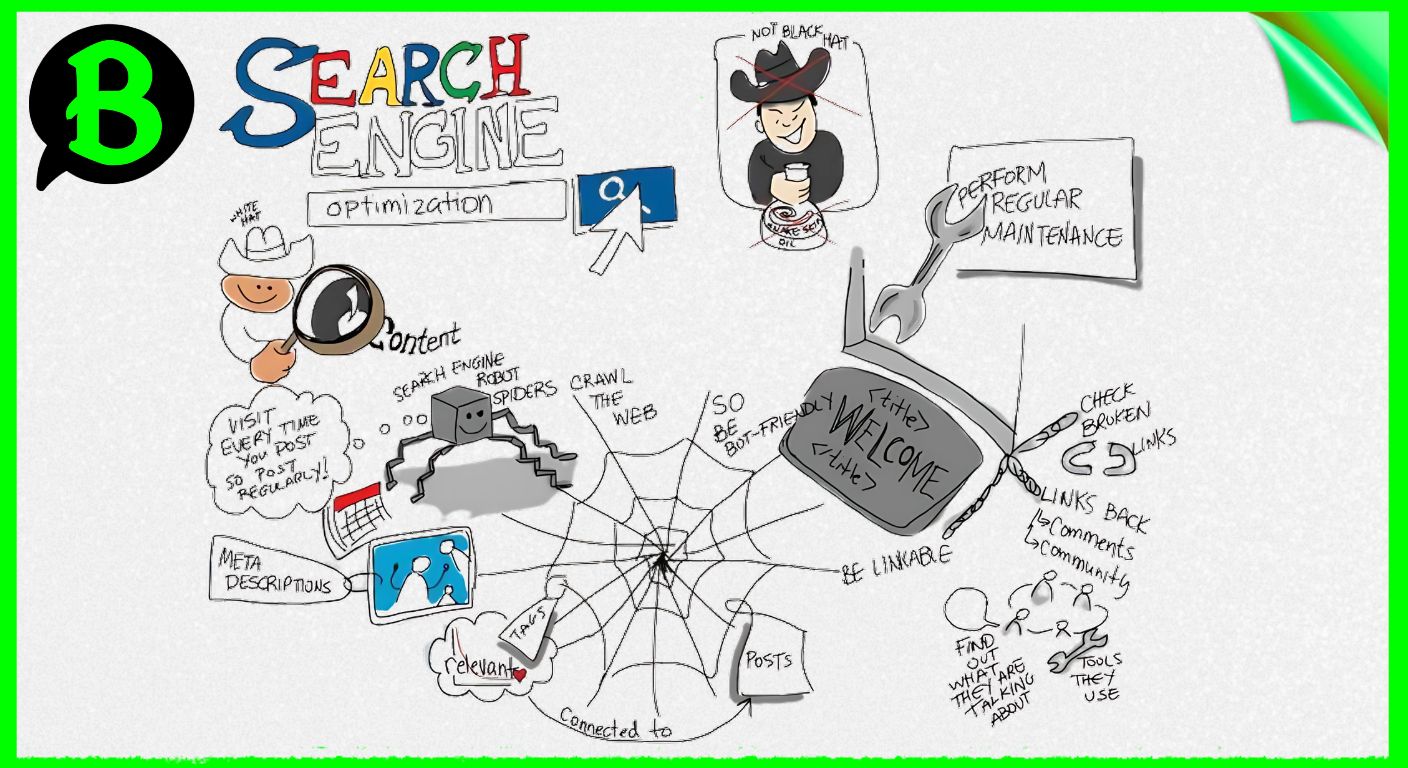
How Local SEO Helps Businesses Improve Google Visibility, Attract Local Customers and Protect Their Online Presence

Disclaimer

This guide is provided for educational and informational purposes only.

It explains current Local SEO best practices, Google Business Profile management and digital marketing principles relevant to South African businesses.
Google regularly updates its systems and recommendations. Businesses should always refer to Google's official guidance when managing their Google Business Profile.


Why Local SEO Matters More Than Ever

When people need a nearby product or service, they rarely open a phone directory.

Instead, they search online.

Whether someone is looking for a plumber, accountant, restaurant, website designer or printing company, their first stop is usually Google Search or Google Maps.

Businesses that appear in these local results often receive significantly more enquiries than businesses that are difficult to find online.

Local SEO helps businesses become visible when potential customers are actively searching for products and services nearby.

For many South African businesses, Local SEO has become one of the most cost effective ways to attract qualified leads without relying entirely on paid advertising.


Quick Answer

What Is Local SEO?

Local SEO (Local Search Engine Optimisation) is the process of improving your online presence so your business appears in local search results on Google Search and Google Maps.

Local SEO combines several factors, including:

  • Google Business Profile optimisation.
  • Accurate business information.
  • Customer reviews.
  • Website optimisation.
  • Local keywords.
  • Business citations.
  • Location relevance.

The goal is simple.

Help nearby customers find your business when they are ready to make a purchasing decision.


What Is a Google Business Profile?

A Google Business Profile is Google's free business listing platform.

It allows businesses to display important information directly within Google Search and Google Maps.

Your profile can include:

  • Business name.
  • Contact details.
  • Website.
  • Address.
  • Service areas.
  • Business hours.
  • Reviews.
  • Photos.
  • Products.
  • Services.
  • Frequently asked questions.
  • Business updates.

For many customers, your Google Business Profile becomes their first impression of your business.

Keeping it accurate and up to date is therefore essential.


Why Local SEO Is Important for South African Businesses

Consumer behaviour has changed dramatically.

People no longer search only for general services.

Instead, they search for businesses close to them.

Examples include:

  • Website designer near me.
  • Printing services in Johannesburg.
  • SEO company in Pretoria.
  • Coffee shop in Bloemfontein.
  • Electrician near me.

Google analyses location, relevance and reputation before deciding which businesses to display.

Businesses with well optimised Google Business Profiles often have a significant advantage.


How Google Business Profiles Influence Local Rankings

Google considers many factors when determining local rankings.

Although the exact algorithm is not publicly available, important factors include:

  • Business relevance.
  • Distance from the searcher.
  • Business prominence.
  • Profile completeness.
  • Customer reviews.
  • Website quality.
  • Local citations.
  • Business categories.
  • Regular profile updates.

No single factor guarantees top rankings.

Instead, strong Local SEO combines multiple best practices working together.


Why Every Business Should Own Its Google Business Profile

One of the most important Local SEO principles is ownership.

Your Google Business Profile should always belong to your business.

Even if you hire a digital marketing agency or SEO specialist, ownership should remain with you.

Professional marketers should request Manager access rather than ownership.

This protects your business while allowing them to assist with optimisation.

Ownership gives you control over:

  • Your reviews.
  • Business information.
  • Photos.
  • Customer messages.
  • Performance insights.
  • Access permissions.
  • Future marketing decisions.

Your Google Business Profile is a valuable business asset.

It should remain under your control.


Manager Access vs Owner Access

Google allows different permission levels.

Understanding these roles helps businesses protect their listings.


Primary Owner

The Primary Owner has complete control over the profile.

They can:

  • Add or remove users.
  • Transfer ownership.
  • Update business information.
  • Delete the profile.
  • Manage every aspect of the listing.

Every business should ensure the Primary Owner is someone within the business.


Owner

Owners have extensive management permissions but do not have all the rights of the Primary Owner.

Trusted business partners may sometimes receive Owner access where appropriate.


Manager

Managers can:

  • Respond to reviews.
  • Upload photos.
  • Publish updates.
  • Edit business information.
  • Answer customer questions.

Managers cannot remove the Primary Owner from the listing.

For most agencies and marketing providers, Manager access is the appropriate level of permission.


The Risks of Letting Someone Else Own Your Profile

Some businesses unknowingly allow marketing agencies or third parties to create their Google Business Profile using the agency's own Google account.

Although this may appear convenient initially, it can create significant problems later.

If ownership remains with someone outside your business, you may lose control over:

  • Customer reviews.
  • Business information.
  • Photos.
  • Insights.
  • Local search history.
  • Access permissions.

Recovering ownership can be time consuming and may not always be straightforward.

Protecting ownership from the beginning is far easier than trying to recover it later.


Your Google Business Profile Is More Than a Directory Listing

Many businesses still view their Google Business Profile as nothing more than an online address listing.

In reality, it has become one of the most influential local marketing tools available.

Your profile helps customers:

  • Discover your business.
  • Read reviews.
  • View photographs.
  • Compare competitors.
  • Visit your website.
  • Call your business.
  • Request directions.
  • Ask questions.

For many local businesses, a Google Business Profile generates more customer interactions than their website homepage.

Treating it as an active marketing asset rather than a static listing often leads to stronger long term results.


Local SEO Is About Building Trust

Google aims to recommend businesses that users can trust.

Businesses that provide accurate information, respond professionally to reviews and maintain complete profiles often create better customer experiences.

Trust is therefore one of the strongest foundations of Local SEO.

The more confidence customers have in your business, the more likely they are to choose you over competitors.

Local SEO is not simply about appearing in search results.

It is about becoming the business people feel comfortable contacting.


How to Optimise Your Google Business Profile

Creating a Google Business Profile is only the first step.

To improve your visibility in Google Search and Google Maps, your profile should be actively maintained and regularly updated.

Google rewards businesses that provide accurate, complete and helpful information.

Below are some of the most important optimisation practices.


1. Complete Every Section of Your Profile

Many businesses only add their name, phone number and address.

A fully completed profile gives Google and potential customers much more information about your business.

Complete as many sections as possible, including:

  • Business description.
  • Primary and secondary categories.
  • Services.
  • Products.
  • Website.
  • Business hours.
  • Service areas.
  • Attributes.
  • Contact information.
  • Appointment links where applicable.

A complete profile builds trust and improves your chances of appearing in local search results.


2. Choose the Correct Business Categories

Your primary business category is one of the strongest Local SEO ranking signals.

Choose the category that best describes your main service.

You can also add additional categories where relevant, but avoid selecting categories that do not accurately represent your business.

Relevance is more important than quantity.


3. Keep Your Information Accurate

Your business information should remain consistent everywhere online.

Ensure that your:

  • Business name.
  • Address.
  • Phone number.
  • Website.
  • Email address.
  • Business hours.

match across your website, Google Business Profile and other online directories.

Consistency helps search engines trust your business information.


4. Add High Quality Photos

Businesses with professional photographs generally receive more engagement than those with little or no visual content.

Consider uploading:

  • Your logo.
  • Cover image.
  • Office or storefront.
  • Team members.
  • Products.
  • Completed projects.
  • Company vehicles.
  • Before and after examples where appropriate.

Regularly updating your photos shows that your business is active.


5. Publish Regular Google Posts

Google Business Profile allows businesses to publish updates directly on their listing.

These posts may include:

  • Special offers.
  • New products.
  • Company news.
  • Blog articles.
  • Events.
  • Seasonal promotions.

Regular posting keeps your profile fresh and provides additional opportunities to engage potential customers.


The Importance of Customer Reviews

Reviews are one of the strongest trust signals in Local SEO.

Positive reviews influence both customer decisions and Google's understanding of your business reputation.

Encourage satisfied customers to leave honest reviews after completing a project or purchase.

Never purchase fake reviews or offer incentives that violate Google's policies.

Authentic reviews provide far greater long-term value.


Respond to Every Review

Whether a review is positive or negative, respond professionally.

Thank customers for positive feedback.

Address concerns respectfully where criticism is received.

Professional responses demonstrate that your business values customer relationships.

Future customers often read your responses before deciding whether to contact you.


Common Google Business Profile Mistakes

Many businesses unknowingly reduce their visibility by making avoidable mistakes.

Common examples include:

  • Leaving profiles incomplete.
  • Using outdated business hours.
  • Ignoring customer reviews.
  • Selecting incorrect business categories.
  • Uploading low-quality images.
  • Inconsistent contact information.
  • Never publishing updates.
  • Using keyword stuffing in the business name.
  • Allowing inactive profiles to become outdated.

Correcting these issues can significantly improve your Local SEO performance.


Local SEO Ranking Factors

Although Google does not publish its complete ranking algorithm, several factors consistently influence local visibility.


Relevance

Google determines how closely your business matches the customer's search.

Detailed business descriptions, accurate categories and complete service information improve relevance.


Distance

Google considers how close your business is to the person performing the search.

Businesses should clearly define their service areas where applicable.


Prominence

Prominence reflects your overall reputation.

It may be influenced by:

  • Customer reviews.
  • Website authority.
  • Online mentions.
  • Business citations.
  • Local backlinks.
  • Brand recognition.

Strong prominence often leads to improved local rankings.


Local SEO and Your Website

A Google Business Profile works best when supported by a well-optimised website.

Your website should include:

  • Fast loading pages.
  • Mobile-friendly design.
  • Clear navigation.
  • Location-based content.
  • Service pages.
  • Contact information.
  • Internal links.
  • Helpful blog articles.

Google evaluates both your profile and your website when determining visibility.


Why Consistent Business Information Matters

One of the most overlooked Local SEO factors is consistency.

Your business name, address and phone number should appear the same across every online platform.

This includes:

  • Your website.
  • Google Business Profile.
  • Facebook.
  • LinkedIn.
  • Online business directories.
  • Industry listings.

Even small inconsistencies can reduce trust in your business information.


How AI Is Changing Local Search

Local search is evolving beyond traditional Google results.

Artificial intelligence platforms now help users discover businesses by summarising trusted information from multiple online sources.

AI systems often analyse:

  • Google Business Profiles.
  • Business websites.
  • Customer reviews.
  • Online directories.
  • Structured website content.
  • Frequently asked questions.

Businesses that maintain accurate and consistent information across these sources are better positioned for future AI-powered search experiences.


Local SEO Checklist

Before considering your Local SEO complete, make sure you have:

✓ Claimed your Google Business Profile.

✓ Verified ownership.

✓ Selected accurate business categories.

✓ Added your website.

✓ Added contact details.

✓ Uploaded professional photographs.

✓ Written a detailed business description.

✓ Listed your products and services.

✓ Encouraged customer reviews.

✓ Responded to reviews professionally.

✓ Published regular Google Posts.

✓ Ensured your business information is consistent across the web.

✓ Linked your Google Business Profile to a well-optimised website.

✓ Updated your profile whenever your business information changes.

Small improvements completed consistently often produce significant long-term results.


Bubble Bekkie Advertising's Approach to Local SEO

At Bubble Bekkie Advertising, we believe every business should remain in full control of its digital assets.

When assisting clients with Google Business Profile optimisation, we recommend that businesses retain ownership of their listing while granting professional marketers Manager access where required.

Our Local SEO approach focuses on:

  • Google Business Profile optimisation.
  • Website SEO.
  • Local keyword research.
  • Technical SEO improvements.
  • Content optimisation.
  • Google Business Profile updates.
  • Ethical SEO practices.
  • Long-term online visibility.

Our goal is not simply to improve rankings.

It is to help South African businesses build a stronger, more trustworthy online presence that supports sustainable growth.


Frequently Asked Questions

What is Local SEO?

Local SEO (Local Search Engine Optimisation) is the process of improving your online presence so your business appears in local search results on Google Search and Google Maps. It helps businesses attract customers who are searching for products or services in a specific area.


What is a Google Business Profile?

A Google Business Profile is a free business listing provided by Google. It allows businesses to display important information such as contact details, business hours, services, photos, customer reviews and directions directly in Google Search and Google Maps.


Is a Google Business Profile free?

Yes. Creating and managing a Google Business Profile is free.

Businesses can update their profile, respond to reviews and publish posts without paying Google.


Why is Local SEO important?

Local SEO helps businesses become more visible to nearby customers who are actively searching for their products or services.

A well optimised profile can increase:

  • Website visits.
  • Phone calls.
  • Direction requests.
  • Customer enquiries.
  • Sales opportunities.


Can I manage my own Google Business Profile?

Yes.

Every business owner should claim and verify their own Google Business Profile.

If you work with a marketing agency, they should normally be given Manager access rather than ownership.


What is the difference between an Owner and a Manager?

The Primary Owner has full control of the profile, including ownership transfers and user management.

Managers can update information, publish posts and respond to reviews, but they cannot remove the Primary Owner.

Keeping ownership within your business helps protect your digital assets.


How often should I update my Google Business Profile?

Your profile should be reviewed regularly.

Update it whenever your:

  • Business hours change.
  • Contact details change.
  • Services change.
  • Products change.
  • Business photographs need refreshing.

Publishing regular Google Posts also helps keep your profile active.


Do customer reviews affect Local SEO?

Yes.

Customer reviews are one of the strongest trust signals in local search.

Businesses should encourage genuine customer reviews and respond professionally to both positive and negative feedback.


Does my website affect my Google Business Profile rankings?

Yes.

Google evaluates both your Business Profile and your website.

A fast, secure and well optimised website strengthens your Local SEO strategy.


What are local keywords?

Local keywords include a product or service together with a location.

Examples include:

  • Website designer Johannesburg.
  • SEO services Pretoria.
  • Printing company Bloemfontein.
  • Digital marketing agency South Africa.

These keywords help search engines understand where your business provides services.


Can online directories help Local SEO?

Yes.

Accurate business listings across reputable online directories strengthen consistency and improve trust.

Ensure your business information matches your Google Business Profile and website.


Does AI use Google Business Profiles?

Artificial intelligence platforms increasingly analyse trusted online sources, including business websites, directories and publicly available business information.

Maintaining an accurate Google Business Profile helps create a stronger and more consistent online presence.


How long does Local SEO take?

Local SEO is an ongoing strategy rather than a once-off task.

Some improvements may be visible within a few weeks, while stronger long term results often develop over several months through consistent optimisation.


Can Local SEO help service area businesses?

Yes.

Businesses that travel to customers, rather than operating from a public storefront, can still benefit by defining their service areas correctly within their Google Business Profile.


Is Local SEO only for small businesses?

No.

Businesses of all sizes benefit from Local SEO.

Whether you operate a single location or multiple branches, Local SEO helps customers discover your business more easily.


Key Takeaways

  • Local SEO improves visibility in Google Search and Google Maps.
  • A Google Business Profile is one of the most valuable digital assets a business can own.
  • Businesses should always retain ownership of their Google Business Profile.
  • Complete and accurate profiles build trust with both customers and search engines.
  • Customer reviews, consistent business information and a well optimised website all contribute to stronger local rankings.
  • Regular updates and ethical SEO practices support long term growth.
  • Local SEO also strengthens your visibility as AI powered search continues to evolve.


Final Thoughts

Local SEO is no longer optional for businesses that want to compete online.

Customers expect to find accurate business information quickly, compare reviews and contact businesses directly from search results.

Your Google Business Profile often creates the first impression potential customers have of your business.

By maintaining ownership of your profile, keeping your information accurate and investing in ethical Local SEO practices, you build a stronger digital foundation that supports both traditional search engines and emerging AI powered search experiences.

Successful Local SEO is not about finding shortcuts or manipulating rankings.

It is about providing accurate information, delivering an excellent customer experience and building trust over time.

Businesses that invest in these fundamentals position themselves for long term visibility and sustainable growth.


About Bubble Bekkie Advertising

Bubble Bekkie Advertising is an award-winning South African digital marketing agency specialising in website design, Search Engine Optimisation (SEO), Local SEO, Google Business Profile optimisation, AI-ready content creation and digital marketing strategies.

We help businesses strengthen their online presence through ethical marketing, technical expertise and practical strategies designed for long term success.

Whether you need a professionally designed website, improved Google visibility or ongoing digital marketing support, our goal is to help your business grow with confidence.


Continue Learning

Explore more expert resources from Bubble Bekkie Advertising:

AI Search Guide for South African Businesses

Learn how AI powered search is changing the way customers discover businesses online.

SEO vs GEO vs AEO: The Future of Search for South African Businesses

Discover how traditional SEO, Generative Engine Optimisation and Answer Engine Optimisation work together to improve visibility across Google and AI platforms.

The Reality of the Digital Marketing Economy in South Africa

Understand the changing digital marketing landscape, compliance considerations and why professionalism matters for long term business success.

Together, these guides form part of the Bubble Bekkie Advertising Digital Marketing Knowledge Centre, helping South African businesses stay informed about modern marketing, ethical practices and the future of online search.


References

Google Business Profile Help Centre

https://support.google.com/business

Google Search Central

https://developers.google.com/search


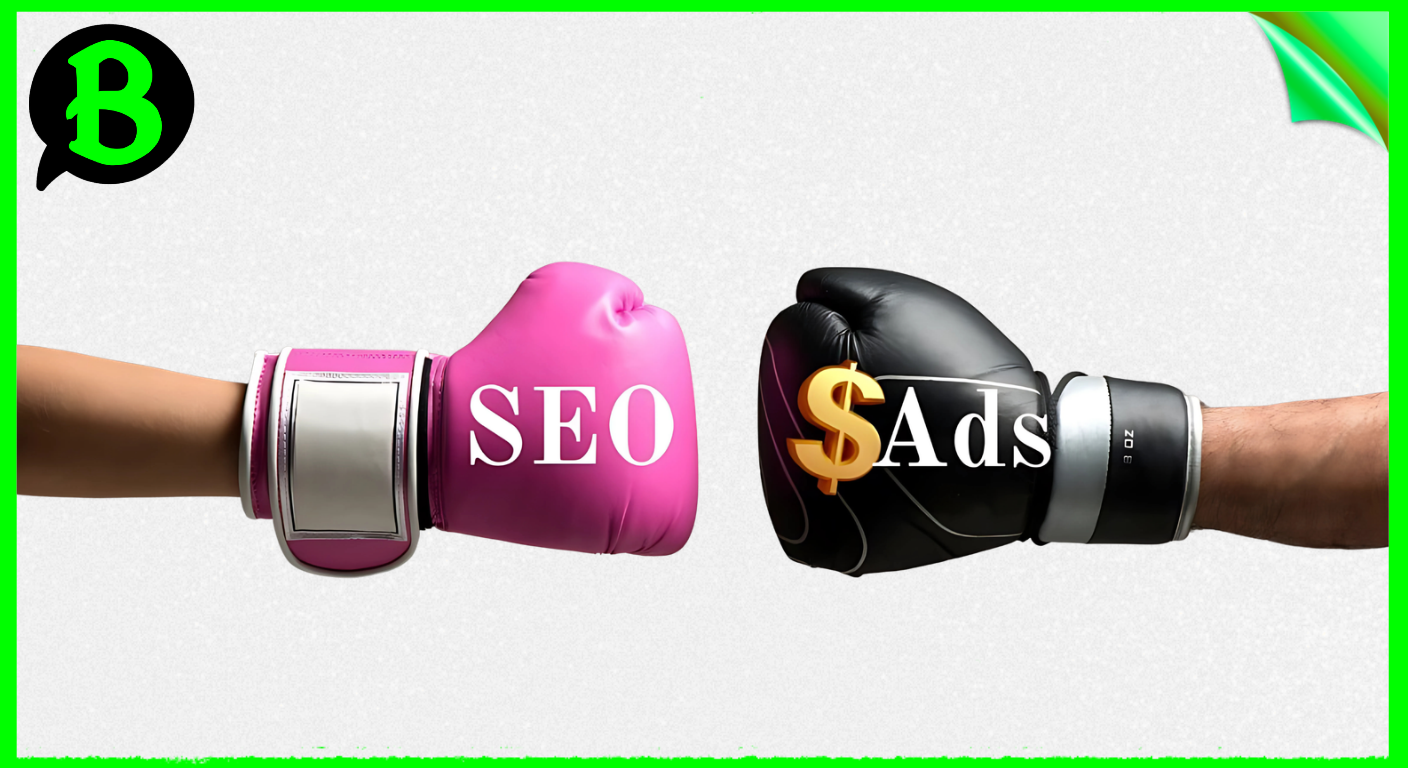
SEO vs Paid Ads: Which Delivers Better Results for South African Businesses?

Why Advertising Cannot Fix a Weak Digital Presence

Disclaimer

This article is provided for educational and informational purposes only.

Every business has different marketing objectives, budgets and competitive environments. The information below is intended to help business owners understand the differences between Search Engine Optimisation (SEO) and paid advertising so they can make informed marketing decisions.


Introduction

One of the most common questions business owners ask is:

"Should I invest in SEO or should I run paid adverts?"

The honest answer is that both have an important role to play.

However, many businesses invest thousands of Rand into Google Ads, Facebook Ads or Instagram Ads before ensuring that the rest of their digital presence is ready to convert visitors into customers.

Advertising can increase visibility very quickly, but it cannot fix a website that loads slowly, unclear messaging, poor branding or an incomplete online presence.

If customers click on your advert and arrive at a website that looks outdated, provides little information or fails to build confidence, many will simply leave without making contact.

In this situation, the advertising itself is not the problem.

The digital foundation is.

Understanding the difference between SEO and paid advertising helps businesses invest their marketing budgets more effectively while supporting sustainable long-term growth.


Quick Answer

Should You Choose SEO or Paid Ads?

Neither should automatically replace the other.

Search Engine Optimisation (SEO) helps your business become more visible in organic search results over time.

Paid advertising provides immediate visibility while your campaigns are active.

The strongest digital marketing strategies usually combine both approaches, but only after the business has established a professional digital foundation that includes:

  • A well-designed website.
  • Search Engine Optimisation (SEO).
  • An optimised Google Business Profile.
  • Consistent branding.
  • Active social media profiles.
  • Clear customer information.

Without these elements, advertising often becomes significantly less effective.


Understanding Search Engine Optimisation (SEO)

Search Engine Optimisation is the process of improving your website so that search engines can better understand its content and present it to users searching for relevant products or services.

Unlike paid advertising, SEO focuses on earning visibility naturally over time.

A strong SEO strategy supports:

  • Long-term website visibility.
  • Sustainable website traffic.
  • Increased online credibility.
  • Better user experience.
  • Greater brand authority.

Rather than generating overnight results, SEO builds momentum by strengthening your overall online presence.


Understanding Paid Advertising

Paid advertising allows businesses to display promotional content to selected audiences through platforms such as Google Ads, Facebook Ads and Instagram Ads.

One of its biggest advantages is speed.

Well-managed campaigns can place your business in front of potential customers almost immediately.

Paid advertising is commonly used to:

  • Promote new products.
  • Launch new services.
  • Increase short-term enquiries.
  • Support seasonal promotions.
  • Generate additional website traffic.

However, advertising only brings people to your digital assets.

Whether those visitors become customers depends on what they experience after clicking the advert.


Why Your Website Matters Before You Spend on Advertising

Imagine spending R10,000 on advertising that successfully brings thousands of visitors to your website.

Now imagine that website:

  • Loads slowly.
  • Is difficult to navigate.
  • Looks outdated.
  • Contains incomplete information.
  • Has no clear call to action.
  • Creates little customer confidence.

Although the advertising succeeded in attracting visitors, the website failed to convert them into enquiries or sales.

This is one of the most common reasons businesses feel disappointed with paid advertising.

Advertising increases exposure.

Your website determines whether that exposure becomes business growth.


Why SEO Creates Long-Term Value

Unlike advertising, Search Engine Optimisation (SEO) continues working long after content has been published.

A well-optimised website can attract visitors from Google Search for months or even years without paying for every click.

This makes SEO one of the most valuable long-term investments for businesses that want to build sustainable online visibility.

Benefits of investing in SEO include:

  • Greater organic visibility in search results.
  • Increased customer trust and credibility.
  • Consistent website traffic over time.
  • Reduced dependence on paid advertising.
  • Stronger brand authority within your industry.

SEO does require patience, but it builds digital assets that continue supporting your business well into the future.


When Paid Advertising Makes Sense

Paid advertising still plays an important role in a successful digital marketing strategy.

It is particularly effective when businesses need immediate visibility or are promoting a specific campaign.

Examples include:

  • New product launches.
  • Limited-time promotions.
  • Seasonal campaigns.
  • Special events.
  • Brand awareness campaigns.
  • Generating enquiries for a new business.

Because advertising can reach highly targeted audiences within a short period, it provides opportunities that organic SEO alone cannot deliver.

However, businesses achieve the best value from advertising when it supports an already strong digital presence.


Your Entire Digital Presence Matters

Successful advertising depends on more than simply creating an advert.

Today's customers often research businesses across multiple platforms before making contact.

They may visit your:

  • Website.
  • Google Business Profile.
  • Facebook Page.
  • Instagram profile.
  • LinkedIn page.
  • Customer reviews.

If these platforms appear inconsistent, outdated or incomplete, potential customers may choose a competitor instead.

Your digital presence should work together as one connected system rather than a collection of unrelated platforms.


SEO, Advertising and AI Search

Artificial intelligence is changing how people discover businesses online.

Customers increasingly use AI-powered search tools to compare companies, ask questions and evaluate products and services before making purchasing decisions.

These systems analyse information from multiple trusted sources, not just advertisements.

A business with:

  • A professional website.
  • Helpful educational content.
  • Strong Search Engine Optimisation (SEO).
  • An optimised Google Business Profile.
  • Active social media profiles.
  • Consistent branding.

is generally better positioned to build long-term digital authority than a business relying only on advertising.

Advertising may increase visibility today, but your overall digital footprint influences how your business is understood across search platforms.


Common Misconceptions About Paid Advertising

Many businesses begin advertising with unrealistic expectations.

Understanding these misconceptions helps set more realistic goals.


"Advertising Guarantees Sales"

No advertising platform can guarantee sales.

Advertising generates visibility and website traffic, but customer enquiries depend on factors such as pricing, trust, reputation, user experience and the quality of your digital presence.


"If I Spend More Money, I'll Automatically Get Better Results"

A larger advertising budget does not automatically produce better outcomes.

Without a strong website and professional online presence, increasing your advertising spend may simply increase the number of visitors who leave without converting.


"SEO Is No Longer Important"

Despite the growth of paid advertising and artificial intelligence, SEO remains one of the strongest long-term strategies for increasing online visibility.

Businesses that invest in quality content, helpful websites and ethical SEO continue building digital assets that support sustainable growth.


"Advertising Replaces SEO"

SEO and advertising serve different purposes.

Advertising provides immediate exposure, while SEO builds long-term visibility and authority.

The strongest businesses understand that these strategies complement each other rather than compete with one another.


Building a Strong Marketing Foundation

Before increasing advertising budgets, businesses should evaluate whether their digital foundation is ready.

A professional website, consistent branding, accurate business information and quality online content all contribute to better marketing performance.

When these elements are in place, advertising becomes significantly more effective because it directs potential customers toward a digital presence that builds confidence and encourages enquiries.


Frequently Asked Questions

Should a new business invest in SEO or paid advertising first?

There is no single answer for every business.

For many South African businesses, the first priority should be establishing a strong digital foundation before investing heavily in advertising. This includes a professional website, an optimised Google Business Profile, accurate business information and a consistent online presence.

Once these elements are in place, both SEO and paid advertising can work together far more effectively.


Can I rely only on paid advertising?

You can, but it comes with risks.

Paid advertising generates traffic only while your campaigns are active. When your advertising budget stops, your visibility usually decreases as well.

Building a strong website and investing in SEO creates long-term digital assets that continue supporting your business beyond individual advertising campaigns.


Does SEO guarantee first place on Google?

No.

No ethical SEO provider can guarantee a specific ranking on Google or any other search engine.

Search rankings depend on many factors, including competition, content quality, website performance, user experience and ongoing search engine algorithm updates.

Businesses should be cautious of anyone promising guaranteed first-page rankings.


Why do some businesses spend thousands on ads without getting results?

In many cases, the issue is not the advertising itself.

Advertising successfully brings visitors to your website, but if your website is slow, outdated, difficult to navigate or lacks credibility, those visitors may leave without becoming customers.

This is why a strong digital presence is essential before increasing advertising spend.


Is SEO still important with AI-powered search?

Yes.

Artificial intelligence is changing how people search, but AI systems still rely on trusted, accurate and well-structured online information.

Businesses with professional websites, helpful content, optimised Google Business Profiles and consistent branding are generally better positioned for both traditional search engines and emerging AI search experiences.


Key Takeaways

  • SEO and paid advertising are designed for different purposes.
  • Paid advertising creates immediate visibility while campaigns are active.
  • SEO supports long-term online visibility and digital authority.
  • A professional website is one of the most important factors influencing advertising performance.
  • Google Business Profile, social media and your website should work together as one connected digital ecosystem.
  • Spending more on advertising cannot compensate for a weak online presence.
  • Businesses that combine SEO, paid advertising and a strong digital foundation are often better positioned for sustainable growth.


Final Thoughts

One of the biggest misconceptions in digital marketing is that advertising alone creates business growth.

In reality, advertising simply introduces potential customers to your business.

Your website, your branding, your content and your overall digital presence determine whether those visitors choose to contact you, request a quotation or make a purchase.

Businesses that invest only in advertising often experience inconsistent results because they overlook the importance of building trust before asking customers to buy.

By combining a professionally designed website, ethical Search Engine Optimisation (SEO), an optimised Google Business Profile and carefully managed advertising campaigns, businesses create a stronger online presence that supports both immediate enquiries and long-term growth.

Rather than asking whether SEO or paid advertising is better, the more valuable question is whether your digital foundation is ready to make every marketing Rand work harder.


About Bubble Bekkie Advertising

Bubble Bekkie Advertising is an award-winning South African digital marketing agency specialising in professional website design, Search Engine Optimisation (SEO), Google Business Profile optimisation, social media management and paid advertising.

Our approach focuses on building complete digital ecosystems where websites, SEO, local search, social media and advertising work together to improve visibility, strengthen credibility and generate sustainable business growth.

Instead of relying on short-term tactics, we help businesses develop marketing strategies designed for long-term success in an increasingly AI-driven digital landscape.


Continue Learning

You may also find these articles helpful:

SEO vs GEO: Understanding the Key Differences

Local SEO and Google Business Profile Best Practices

Google Business Profile: Why South African Businesses Should Optimise It

The Power of Social Media Links on Your Website

The Real Cost of Cheap Websites and SEO Risks

Black Hat SEO Risks in South Africa

The Digital Marketing Economy in South Africa

Together, these guides explain how websites, SEO, paid advertising, local search and AI-powered search work together to build a stronger digital presence.


References

Google Search Central. Search Essentials
https://developers.google.com/search/docs/essentials

Google Ads Help Centre
https://support.google.com/google-ads

Google Business Profile Help Centre
https://support.google.com/business

Google Search Central. Creating Helpful, Reliable, People-First Content
https://developers.google.com/search/docs/fundamentals/creating-helpful-content

Meta Business Help Centre
https://www.facebook.com/business/help


Last Updated: July 2026

This article is reviewed regularly to reflect changes in Search Engine Optimisation (SEO), paid advertising platforms, AI-powered search and digital marketing best practices for South African businesses.

How SEO Really Works for South African Businesses

Why a Professional Website Alone Is Not Enough

Disclaimer

This article is provided for educational and informational purposes only.

Every business has different goals, competitors and marketing requirements. The information below explains the role of Search Engine Optimisation (SEO) in modern digital marketing and why businesses should understand the difference between simply having a website and having a website that is professionally optimised for search engines.


Introduction

Many South African business owners believe that once their website is live, customers will automatically find it on Google.

Unfortunately, that is rarely how it works.

A professional website is an important investment, but it is only one part of your online presence. Without proper Search Engine Optimisation (SEO), even a beautifully designed website can struggle to appear in search results.

One of the biggest misconceptions in digital marketing is that every website automatically includes SEO.

It doesn't.

Some websites are built primarily for appearance, while others are developed with search visibility, user experience and long-term growth in mind.

Understanding this difference can help businesses make better decisions when investing in their digital presence.


What Is SEO?

Search Engine Optimisation, commonly known as SEO, is the process of improving a website so that search engines can better understand its content and present it to people searching for relevant products or services.

Good SEO helps search engines recognise:

  • what your business offers
  • where you operate
  • who your ideal customers are
  • whether your website provides trustworthy and helpful information

The goal is not simply to increase website traffic.

The goal is to attract the right visitors who are genuinely looking for your products or services.


Why SEO Matters More Than Ever

Every day, thousands of South Africans search online before making purchasing decisions.

They compare businesses, read reviews, visit websites and research companies before deciding who to contact.

If your business cannot easily be found during that process, potential customers may never know you exist.

SEO helps businesses become more visible during these important moments while building credibility and long-term online authority.

Unlike advertising, which stops producing results when the budget ends, SEO continues supporting your visibility over time.


A Website and an SEO Website Are Not the Same Thing

This surprises many business owners.

Two companies may both have professional-looking websites, but one appears on Google while the other remains almost invisible.

The difference is often SEO.

A website may include attractive graphics, modern layouts and impressive animations while still lacking the optimisation needed for search engines to understand its content.

Professional SEO involves far more than simply publishing a website.

It forms part of the overall structure, content quality and long-term strategy that supports online visibility.

This is why businesses should never assume that SEO is automatically included when purchasing a new website.


Does an Expensive Website Include SEO?

Not necessarily.

Website pricing often reflects factors such as:

  • custom design
  • advanced functionality
  • online stores
  • booking systems
  • integrations
  • custom development

These features add value, but they do not automatically mean the website has been professionally optimised for search engines.

Some expensive websites contain very little SEO, while some affordable websites are built with strong optimisation from the beginning.

For this reason, businesses should always understand exactly what is included before choosing a website package.

Professional web design and professional SEO are closely connected, but they are not always the same service.


Why Quality SEO Is an Investment, Not an Add-On

Professional SEO is not something that can be completed in a few minutes before a website goes live.

It requires careful planning, ongoing refinement and a deep understanding of how search engines evaluate websites.

Modern SEO considers many factors that influence how your business is discovered online, including:

  • Website structure and organisation.
  • Helpful, high-quality content.
  • Mobile usability.
  • Website performance and loading speed.
  • Clear business information.
  • Local search visibility.
  • Overall trust and credibility.

Because search engines continue to evolve, SEO should be viewed as a long-term investment rather than a once-off task.


SEO Is About Building Trust

Google's goal is to provide users with reliable, helpful and relevant information.

Businesses that consistently demonstrate expertise, transparency and professionalism are generally better positioned to earn long-term visibility.

This means SEO is no longer just about keywords.

Today's search engines evaluate the overall quality of a business's online presence.

That includes whether your website is informative, your contact information is accurate, your business appears trustworthy and your content genuinely helps potential customers.

The stronger your digital reputation becomes, the stronger your long-term visibility can be.


SEO Works Together With Your Entire Digital Presence

Your website is only one part of your digital ecosystem.

Search engines and AI-powered search platforms also evaluate information from sources such as:

  • Your Google Business Profile.
  • Social media profiles.
  • Business directories.
  • Customer reviews.
  • Educational content.
  • Brand consistency across the web.

When these elements support one another, they create a stronger and more trustworthy online presence.

Rather than viewing SEO as a separate service, successful businesses see it as part of a connected digital strategy.


AI Is Changing Search, But SEO Still Matters

Artificial intelligence is transforming the way people search for products and services.

Instead of typing only short keywords, many users now ask complete questions using AI-powered search tools.

These systems gather information from multiple trusted sources before providing recommendations.

Businesses with professional websites, accurate business information and well-structured content are generally better positioned to appear in these evolving search experiences.

As AI continues to develop, having a strong SEO foundation becomes even more valuable.


Common Misconceptions About SEO

Many businesses delay investing in SEO because of common misunderstandings.


"My Website Automatically Includes SEO"

Not always.

Many websites focus primarily on design and functionality, with little or no professional search optimisation included.


"SEO Gives Instant Results"

SEO is a long-term strategy.

While improvements may become visible over time, sustainable growth usually comes from consistent optimisation rather than quick fixes.


"Once My Website Is Finished, SEO Is Finished"

Search engines constantly evolve.

Businesses that continue improving their websites and digital presence are generally better positioned to maintain visibility over the long term.


"Social Media Replaces SEO"

Social media supports your digital presence, but it does not replace a professionally optimised website.

The strongest online strategies combine websites, SEO, Google Business Profile, educational content and social media into one connected ecosystem.


Choosing the Right Website Partner

When investing in a new website, it is worth asking more than just how the website will look.

Businesses should also understand whether professional SEO has been included and whether the website has been developed to support long-term online visibility.

A professionally designed website that also incorporates quality SEO provides a stronger foundation for future marketing efforts, including Google Business Profile optimisation, content marketing, social media and paid advertising.

Rather than needing expensive redesigns later, businesses can begin building digital authority from the day their website is launched.


Frequently Asked Questions

Is SEO included with every website?

No.

Many websites are designed to look professional but include little or no Search Engine Optimisation (SEO). Before investing in a new website, it is important to understand exactly what is included and whether the site has been built with long-term search visibility in mind.


Why doesn't my website appear on Google?

There are many possible reasons.

A website may still be new, lack professional SEO, contain limited content, or have technical issues that affect how search engines understand it. Simply having a website does not guarantee strong visibility in search results.


Can I rely only on social media for my business?

Social media is an excellent way to engage with customers and build brand awareness, but it should support your website rather than replace it.

Your website is the digital asset you own and control, while social media platforms and their algorithms can change at any time.


Is SEO a once-off service?

SEO should be viewed as an ongoing investment.

Search engines continue to evolve, customer behaviour changes and businesses grow over time. Regular improvements help maintain a strong online presence and ensure your website continues meeting current best practices.


Does SEO help with AI-powered search?

Yes.

Artificial intelligence is changing how people discover businesses online, but AI systems still rely on accurate, well-structured and trustworthy information.

A professionally optimised website, supported by helpful content, an optimised Google Business Profile and a consistent digital presence, is better positioned for both traditional search engines and emerging AI search experiences.


Key Takeaways

  • A professional website and a professionally optimised website are not always the same.
  • Not every website package includes quality SEO.
  • Website price does not automatically reflect the level of SEO included.
  • SEO supports long-term visibility, credibility and customer trust.
  • Google Business Profile, social media and your website work best when they form one connected digital ecosystem.
  • Investing in quality SEO from the beginning can help reduce the need for costly corrections and redesigns later.


Final Thoughts

A website is one of the most valuable investments a business can make, but its true value depends on whether customers can actually find it.

Professional SEO helps transform a website from an online brochure into a valuable business asset that supports visibility, credibility and sustainable growth.

Rather than focusing only on appearance, successful businesses invest in websites that are designed with long-term performance in mind. A strong digital presence is built through quality design, helpful content, ethical Search Engine Optimisation (SEO), an optimised Google Business Profile and consistent branding across every platform.

As search technology continues to evolve through artificial intelligence, businesses with a solid SEO foundation will be better prepared to remain visible, competitive and trusted online.


About Bubble Bekkie Advertising

Bubble Bekkie Advertising is an award-winning South African digital marketing agency specialising in professional website design, Search Engine Optimisation (SEO), Google Business Profile optimisation, social media management and AI-ready digital marketing solutions.

Every website we build is developed with quality, performance and long-term visibility in mind. Rather than simply creating attractive websites, we focus on building professional digital foundations that support sustainable business growth.

Our approach combines strategic website design, ethical SEO, local search optimisation and educational content to help businesses strengthen their online presence and prepare for the future of AI-powered search.


Continue Learning

Explore more expert resources from the Bubble Bekkie Advertising Knowledge Centre:

SEO vs Paid Ads: Which Delivers Better Results for South African Businesses?

Local SEO and Google Business Profile Best Practices

Google Business Profile: Why South African Businesses Should Optimise It

SEO vs GEO: Understanding the Key Differences

The Real Cost of Cheap Websites and SEO Risks

Black Hat SEO Risks in South Africa

The Power of Social Media Links on Your Website

The Digital Marketing Economy in South Africa

Together, these articles explain how websites, SEO, local search, social media and AI-powered search work together to build long-term online success.


References

Google Search Central. Search Essentials
https://developers.google.com/search/docs/essentials

Google Search Central. Creating Helpful, Reliable, People-First Content
https://developers.google.com/search/docs/fundamentals/creating-helpful-content

Google Business Profile Help Centre
https://support.google.com/business

Google Search Central Documentation
https://developers.google.com/search


Last Updated: July 2026

This article is reviewed regularly to reflect changes in Search Engine Optimisation (SEO), AI-powered search, Google Search and digital marketing best practices for South African businesses.