Make an Appointment

Facebook Group Marketing in South Africa: What Still Works in 2026?

How Facebook Groups Fit into a Successful Digital Marketing Strategy

Disclaimer

This article is intended for educational and informational purposes only.

It shares general digital marketing insights based on current industry best practices and publicly available information. Every business is different, and marketing strategies should always be tailored to your goals, industry and target audience.


Introduction

Facebook remains one of the most widely used social media platforms in South Africa, and Facebook Groups continue to play an important role in connecting businesses with local communities.

For many small businesses, groups provide an affordable way to introduce products, answer questions and engage with potential customers.

However, digital marketing has evolved significantly.

Simply posting the same advert into dozens of Facebook Groups is no longer enough to generate consistent leads or sustainable business growth.

Today's successful businesses combine multiple marketing channels, including Facebook Groups, Facebook Business Pages, professional websites, Search Engine Optimisation (SEO), Google Business Profiles and paid advertising.

Each channel has a different purpose.

Understanding how they work together can help businesses make better marketing decisions and achieve stronger long-term results.


Quick Answer


Do Facebook Groups Still Work?

Yes.

Facebook Groups can still be an effective marketing tool when used strategically.

They help businesses:

  • Build relationships.
  • Increase brand awareness.
  • Engage with local communities.
  • Encourage conversations.
  • Generate referrals.
  • Support customer trust.

However, Facebook Groups should not be your only marketing strategy.

Unlike a website or Google Search, group posts have a relatively short lifespan and depend heavily on Facebook's algorithm.

Businesses that combine Facebook marketing with SEO and a professional website are generally better positioned for long-term growth.


Why Facebook Groups Remain Popular

Facebook Groups create something many other marketing channels cannot.

Community.

People join groups because they share common interests, live in the same area or are looking for recommendations from others.

This creates opportunities for businesses to become recognised within those communities.

When businesses contribute valuable information rather than constant advertising, they often build stronger credibility and trust.

Customers are also more likely to purchase from businesses they recognise through regular, positive interactions.


What Facebook Groups Do Well

Used correctly, Facebook Groups can support a business by:

  • Increasing local brand awareness.
  • Building relationships with potential customers.
  • Encouraging word-of-mouth recommendations.
  • Sharing helpful advice and expertise.
  • Promoting community involvement.
  • Introducing new products and services.
  • Driving visitors to your website or Facebook Business Page.

Rather than focusing only on selling, successful businesses use Facebook Groups to become trusted members of the communities they serve.


Understanding the Limitations of Facebook Groups

While Facebook Groups remain valuable, they also have limitations.

Business owners should understand that group marketing alone is unlikely to deliver consistent long-term growth.

Some common limitations include:

  • Posts may receive limited visibility depending on Facebook's algorithm.
  • Popular groups receive hundreds of new posts every day.
  • Older posts quickly disappear from members' feeds.
  • Group rules often restrict promotional content.
  • Businesses do not own the platform or control how content is displayed.

These factors make Facebook Groups an excellent supporting marketing channel, but not a complete digital marketing strategy on their own.


Facebook Groups vs Facebook Business Pages

Although both exist on Facebook, they serve different purposes.

Facebook Groups Facebook Business Pages
Community discussions Professional business presence
Member interaction Brand promotion
Conversations Business information
Local networking Advertising campaigns
Recommendations Customer enquiries
Relationship building Long-term marketing

The most successful businesses use both together.

Groups help create conversations, while Business Pages provide customers with accurate information, reviews, contact details and ongoing updates.


Why Your Website Still Matters

Every marketing activity should ultimately lead potential customers back to a place your business controls.

That place is your website.

Unlike social media platforms, your website belongs to your business.

It allows you to present your services professionally, answer common questions, showcase testimonials and guide visitors towards contacting you or making a purchase.

If a Facebook Group post generates interest but your website is outdated, slow or difficult to navigate, potential customers may leave before taking action.

A professional website remains one of the strongest investments any business can make because it supports every other marketing channel you use.


Frequently Asked Questions


Are Facebook Groups still effective for marketing in South Africa?

Yes. Facebook Groups remain a valuable way to build relationships, increase local brand awareness and engage with communities. They work best when combined with a professional website, SEO and an active Facebook Business Page.


Can Facebook Group posts improve my Google rankings?

Not directly.

Posts inside Facebook Groups are generally not indexed as website content in a way that improves your organic Google rankings. However, they can increase brand awareness, drive website traffic and encourage branded searches, all of which can support your overall digital marketing strategy.


Should I advertise only in Facebook Groups?

No.

Facebook Groups should be one part of a broader marketing strategy. Businesses that combine groups with SEO, a Google Business Profile, a professional website and paid advertising are more likely to achieve consistent long term growth.


What is the difference between a Facebook Group and a Facebook Business Page?

A Facebook Group focuses on discussions and community engagement, while a Facebook Business Page represents your business publicly, allowing customers to view your services, reviews, contact details and updates.

Both serve different purposes and work well together.


How often should I post in Facebook Groups?

Quality is more important than quantity.

Posting useful, relevant content that follows each group's rules is generally more effective than posting the same advertisement repeatedly across multiple groups.


Is spam posting good for business?

No.

Repeatedly posting identical promotional content can reduce engagement, damage your credibility and may even result in posts being removed or restricted by group administrators.

Building genuine relationships creates better long term results.


Why does my website matter if I market on Facebook?

Your website is where potential customers learn more about your business, view your services and decide whether to contact you.

Even the best Facebook post cannot compensate for a website that is slow, outdated or difficult to use.


Does SEO still matter if I have a strong Facebook presence?

Yes.

SEO helps customers find your business through search engines when they are actively looking for products or services.

Unlike social media posts, well-optimised website content can continue generating traffic for months or even years.


How does AI search affect social media marketing?

AI-powered search platforms increasingly look for trustworthy, consistent business information across websites, social media profiles and other online sources.

Maintaining accurate branding and publishing high quality content strengthens your overall digital presence.


Can small businesses benefit from Facebook Group marketing?

Absolutely.

Many South African small businesses successfully use Facebook Groups to build trust, answer questions and connect with local communities.

The key is to focus on providing value rather than simply promoting products or services.


Facebook Groups vs SEO

Facebook Groups SEO
Builds community engagement Builds search visibility
Short lifespan for posts Long lasting content
Depends on Facebook's algorithm Earns visibility through Google
Encourages conversations Attracts high intent visitors
Supports brand awareness Supports sustainable growth
Best for engagement Best for discoverability

Both strategies have unique strengths.

Rather than choosing one over the other, businesses often achieve better results by using them together.


Key Takeaways

  • Facebook Groups remain a valuable marketing tool when used strategically.
  • Community engagement builds trust and strengthens brand recognition.
  • Facebook Groups should complement, not replace, a professional website and SEO strategy.
  • A Facebook Business Page provides an essential public presence for your business.
  • High quality content and genuine interaction consistently outperform repetitive promotional posting.
  • AI-powered search is increasing the importance of accurate, trustworthy and consistent online information.
  • Combining multiple digital marketing channels creates stronger long term business growth.


Final Thoughts

Facebook Groups continue to play an important role in South Africa's digital marketing landscape.

They provide opportunities to connect with local communities, build relationships and increase brand awareness in ways that traditional advertising often cannot.

However, successful digital marketing is about more than posting in groups.

Businesses that invest in professional websites, Search Engine Optimisation, Google Business Profile optimisation and consistent social media management create a stronger digital foundation that supports sustainable growth.

Rather than relying on a single marketing channel, the most successful businesses develop a balanced strategy where every platform works together to attract, engage and convert potential customers.


About Bubble Bekkie Advertising

Bubble Bekkie Advertising is an award-winning South African digital marketing agency specialising in website design, Search Engine Optimisation (SEO), Local SEO, Google Business Profile optimisation, Facebook marketing and AI-ready content strategies.

We help businesses build a professional online presence through ethical marketing, strategic planning and practical digital solutions designed for long term success.

Whether you need a new website, professional Facebook management, SEO services or a complete digital marketing strategy, our goal is to help your business grow with confidence.


Continue Learning

Expand your digital marketing knowledge with these related guides from Bubble Bekkie Advertising:

AI Search Guide for South African Businesses

Discover how AI-powered search is changing the way customers find businesses online and why trustworthy content is becoming increasingly important.


How to Get Your South African Business Found on Google

Learn practical strategies for improving your visibility through ethical SEO, quality content and technical optimisation.


Local SEO & Google Business Profile Guide

Understand how Local SEO and Google Business Profile optimisation help businesses improve local search visibility while maintaining ownership of their digital assets.


Affordable Web Design for Small Businesses in South Africa

Learn why a professionally designed, mobile-friendly website remains one of the most valuable investments for long term business growth.


Together, these resources form part of the Bubble Bekkie Advertising Digital Marketing Knowledge Centre, providing South African businesses with practical, trustworthy guidance on websites, SEO, AI-powered search and digital marketing.


References

Meta Business Help Centre

https://www.facebook.com/business/help


Meta Transparency Centre

https://transparency.fb.com/


Google Search Essentials

https://developers.google.com/search/docs/fundamentals/creating-helpful-content


Google Business Profile Help

https://support.google.com/business


This article is reviewed regularly to reflect current digital marketing best practices, Facebook platform developments, Google Search guidance and AI-powered search trends relevant to South African businesses.
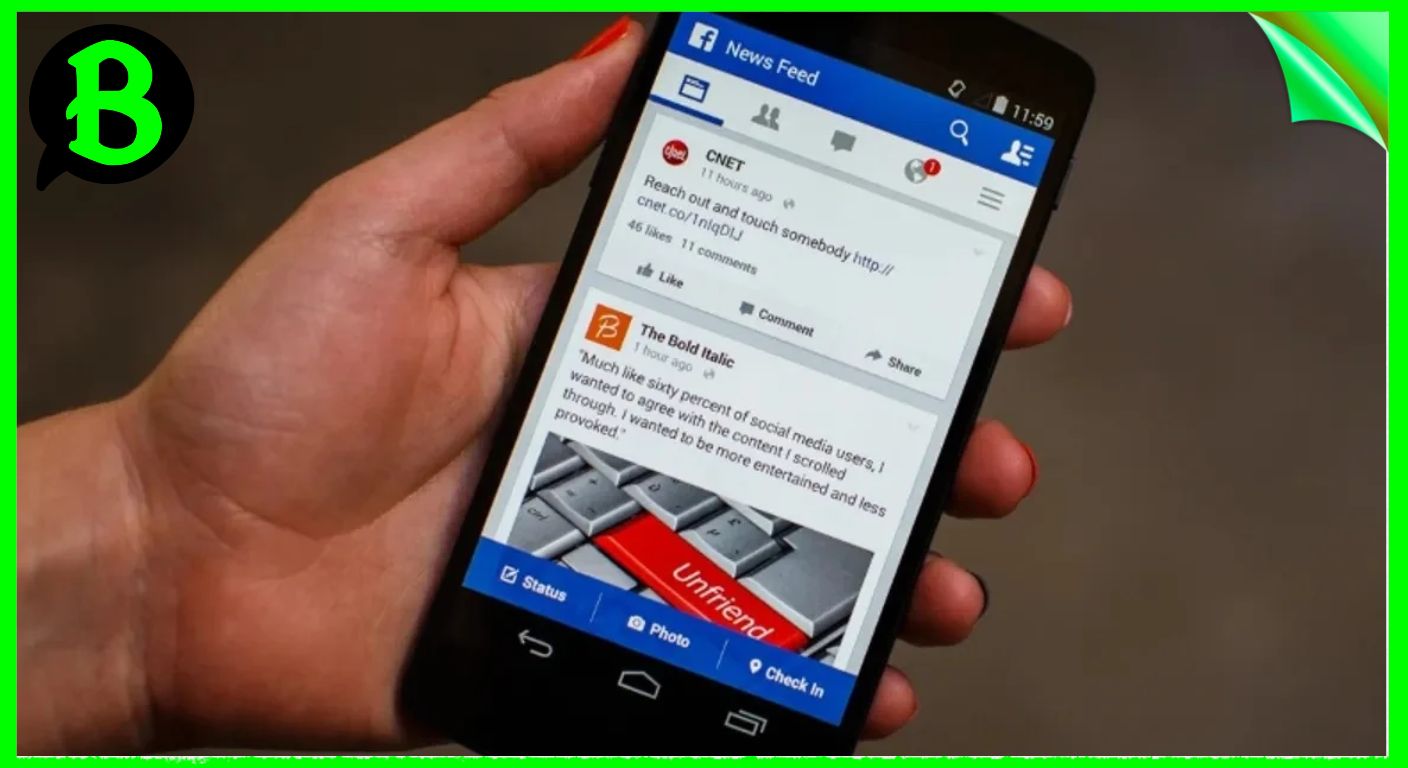
Facebook Groups for South African Businesses: Do They Still Work in 2026?

Understanding the Role of Facebook Groups in a Modern Marketing Strategy

Disclaimer

This article is provided for educational and informational purposes only.

It discusses Facebook Groups as part of a broader digital marketing strategy based on current industry best practices. Marketing success depends on many factors, including your industry, audience, business goals, content quality and overall online presence.


Introduction

Facebook has remained one of South Africa's most widely used social media platforms for many years.

While Facebook Pages, paid advertising and business websites often receive the most attention, Facebook Groups continue to play an important role in helping businesses build communities and strengthen customer relationships.

However, many business owners misunderstand how Groups should be used.

Some believe simply sharing posts in dozens of Groups will generate leads and sales. Others ignore Groups completely because they assume organic reach has disappeared.

The reality sits somewhere in between.

Facebook Groups can be valuable when they are used to support a wider marketing strategy. They help businesses engage with existing communities, build trust and encourage conversations that strengthen customer relationships.

They should not replace your website, your Search Engine Optimisation (SEO), your Google Business Profile or your Facebook Business Page.

Instead, they work best as one part of a balanced digital marketing strategy.


Quick Answer


Are Facebook Groups Still Worth It for Businesses?

Yes.

Facebook Groups remain useful for businesses that want to build communities, engage with customers and encourage meaningful conversations.

However, Groups should complement your marketing strategy rather than become your only source of leads.

Successful businesses combine Facebook Groups with:

  • A professional business website.
  • Search Engine Optimisation (SEO).
  • A well-managed Facebook Business Page.
  • Google Business Profile optimisation.
  • Paid advertising campaigns.
  • Consistent content marketing.

Together, these channels create a stronger and more sustainable online presence.


What Are Facebook Groups?

Facebook Groups are online communities where people with shared interests can interact, ask questions, exchange advice and participate in discussions.

Unlike Facebook Pages, which primarily publish business updates, Groups encourage two-way conversations between members.

Businesses may participate in Groups by:

  • Sharing educational content.
  • Answering questions.
  • Building relationships.
  • Supporting existing customers.
  • Participating in industry discussions.

The strongest Groups focus on providing value rather than constant promotion.


Why Businesses Still Use Facebook Groups

Although social media continues to evolve, people still value genuine conversations.

Facebook Groups create opportunities for businesses to interact with customers in a more personal environment than traditional advertising.

Businesses often use Groups to:

  • Build stronger customer relationships.
  • Encourage community discussions.
  • Share industry knowledge.
  • Increase brand awareness.
  • Support customer loyalty.
  • Stay connected with existing audiences.

Groups are particularly valuable for businesses whose customers appreciate ongoing engagement rather than one-time purchases.


The Benefits of Facebook Groups

When managed professionally, Facebook Groups can offer several advantages.


Building Trust

People are more likely to trust businesses that actively participate in conversations instead of focusing only on selling.

Providing useful information helps establish credibility over time.


Encouraging Community Engagement

Groups allow customers to ask questions, share experiences and interact with one another.

These conversations create a stronger sense of community around your business and brand.


Supporting Existing Customers

Many businesses use Facebook Groups to provide updates, answer common questions and share helpful information with existing customers.

This strengthens customer relationships and encourages long-term loyalty.


Increasing Brand Visibility

Regular participation in relevant Groups helps businesses remain visible within communities that already have an interest in their products or services.

Visibility alone does not guarantee sales, but consistent engagement contributes to stronger brand recognition.


Learning From Your Audience

Customer conversations often provide valuable insights into common questions, concerns and industry trends.

These insights can help businesses improve their services, content and overall marketing strategy.


The Limitations of Facebook Groups

While Facebook Groups offer valuable opportunities for community engagement, they also have important limitations.

Businesses should understand these limitations before relying on Groups as their primary marketing channel.


You Do Not Own the Platform

Facebook controls the platform, its algorithms and its policies.

Changes to visibility, moderation rules or platform features can affect how your content is seen without warning.

Unlike your website, a Facebook Group is not a digital asset that you fully own.


Organic Reach Can Fluctuate

Not every post will be shown to every member.

Facebook prioritises content based on member activity, relevance and engagement.

Even large Groups may see only a small percentage of members interacting with individual posts.


Communities Require Ongoing Management

Successful Groups do not run themselves.

They require regular moderation, meaningful discussions and active community management to remain valuable.

Without consistent oversight, Groups can quickly become inactive or filled with spam.


Groups Should Not Replace Your Website

A Facebook Group is designed to support conversations, not to replace your online presence.

Businesses still need:

  • A professional website.
  • Search Engine Optimisation (SEO).
  • A Google Business Profile.
  • Clear service information.
  • Reliable contact details.

Your website remains the centre of your digital marketing strategy because it is the one platform you fully control.


Facebook Groups vs Facebook Pages

Although both are valuable, they serve different purposes.

Facebook Groups Facebook Business Pages
Focus on community discussions Focus on business information
Encourage member participation Publish official business updates
Build relationships Build brand awareness
Support customer engagement Support advertising campaigns
Best for conversations Best for marketing and promotions

Businesses achieve the best results when Groups and Pages work together instead of competing with each other.


Common Mistakes Businesses Make

Many businesses fail to see results because they approach Facebook Groups incorrectly.

Common mistakes include:

  • Posting advertisements without providing value.
  • Joining dozens of unrelated Groups.
  • Copying and pasting the same promotional message repeatedly.
  • Ignoring comments and questions.
  • Treating Groups as a replacement for SEO or a business website.
  • Expecting immediate sales from every post.

Customers generally respond better to businesses that contribute useful information rather than constant promotions.


How Facebook Groups Fit Into a Modern Marketing Strategy

Facebook Groups are most effective when they support a broader digital marketing strategy.

For many businesses, Groups help strengthen customer relationships while other channels generate visibility and enquiries.

A balanced strategy often includes:

  • A professionally designed website.
  • Search Engine Optimisation (SEO).
  • A fully optimised Google Business Profile.
  • Facebook Business Page management.
  • Paid advertising where appropriate.
  • Helpful blog content.
  • Community engagement through Facebook Groups.

Each channel serves a different purpose, creating a stronger overall online presence.


How Bubble Bekkie Advertising Supports Businesses

At Bubble Bekkie Advertising, we believe Facebook Groups should be used strategically as part of a complete digital marketing plan.

Rather than relying on one platform alone, we help businesses build a balanced online presence that combines:

  • Professional website design.
  • Search Engine Optimisation (SEO).
  • Facebook Business Page management.
  • Google Business Profile optimisation.
  • Content marketing.
  • Branding and graphic design.
  • Paid advertising campaigns.
  • Community engagement strategies.

This approach helps businesses build long-term visibility while maintaining meaningful connections with their customers.

Facebook Groups are valuable when they support these broader marketing efforts rather than attempting to replace them.


Frequently Asked Questions


Are Facebook Groups still useful for businesses in 2026?

Yes. Facebook Groups remain valuable for building communities, engaging with customers and strengthening brand trust. They are most effective when used alongside a professional website, SEO, a Facebook Business Page and other digital marketing channels.


Should my business create its own Facebook Group?

It depends on your business goals.

Businesses that regularly educate customers, provide ongoing support or build long-term communities often benefit from managing their own Facebook Group. Others may achieve better results by participating in relevant industry or local community Groups.


Can Facebook Groups replace a business website?

No.

A Facebook Group should never replace your website. Your website is your digital home where customers can learn about your services, request quotations and contact your business. Unlike social media platforms, you have full control over your website and its content.


Do Facebook Groups improve Google rankings?

Not directly.

Posts inside Facebook Groups are generally not indexed in the same way as content published on your website. While Groups can increase brand awareness and referral traffic, your website and SEO remain the foundation of long-term search visibility.


Are Facebook Groups better than Facebook Pages?

Neither is better. They serve different purposes.

Facebook Business Pages provide official business information, advertising opportunities and public updates. Facebook Groups focus on conversations, customer engagement and community building.

The strongest digital marketing strategies use both.


What is the biggest mistake businesses make with Facebook Groups?

One of the most common mistakes is treating Facebook Groups as advertising platforms instead of communities.

Businesses that focus only on promoting their products or services often see poor engagement. Providing valuable content and participating in meaningful conversations generally produces better long-term results.


Can small businesses benefit from Facebook Groups?

Absolutely.

Facebook Groups offer an affordable way for small businesses to connect with customers, answer questions and build relationships within their local communities and industries.


Facebook Groups vs Traditional Digital Marketing

Facebook Groups Long-Term Digital Marketing
Builds community Builds long-term visibility
Encourages conversations Generates ongoing website traffic
Supports customer relationships Supports customer acquisition
Depends on Facebook's platform Your website is fully owned by you
Organic reach varies SEO delivers sustainable growth over time
Great for engagement Great for lead generation and conversions

The most successful businesses understand that these strategies complement each other rather than compete.


Key Takeaways

  • Facebook Groups remain valuable for community building and customer engagement.
  • They work best when supporting, not replacing, your website and SEO.
  • Providing valuable content builds trust more effectively than constant promotion.
  • Facebook Business Pages and Facebook Groups serve different but complementary purposes.
  • A balanced digital marketing strategy combines websites, SEO, social media, content marketing and community engagement.
  • Businesses that focus on long-term relationships are more likely to build loyal customers and sustainable growth.


Final Thoughts

Facebook Groups continue to play an important role in digital marketing, but their purpose has evolved.

Rather than viewing Groups as a shortcut to instant sales, businesses should see them as opportunities to build trust, encourage conversations and strengthen relationships with their audience.

When combined with a professionally designed website, effective Search Engine Optimisation (SEO), a well-managed Google Business Profile and a consistent social media strategy, Facebook Groups become a valuable part of a broader digital marketing ecosystem.

Businesses that invest in multiple marketing channels are generally better positioned to adapt to changes in technology, customer behaviour and online platforms.

Long-term success comes from creating meaningful customer experiences across every touchpoint, not relying on a single platform or tactic.


About Bubble Bekkie Advertising

Bubble Bekkie Advertising is an award-winning South African digital marketing agency specialising in website design, Search Engine Optimisation (SEO), Google Business Profile optimisation, social media management, graphic design, printing and AI-ready digital marketing strategies.

We help businesses build professional online presences that combine strong branding, quality content and ethical marketing practices to achieve sustainable long-term growth.

Whether you need a modern business website, ongoing social media management or an SEO strategy designed for today's search landscape, our team creates solutions tailored to your business goals.


Continue Learning

Expand your digital marketing knowledge with these related guides from Bubble Bekkie Advertising:

Facebook Group Marketing Facts for South African Businesses

Local SEO and Google Business Profile Best Practices

How to Get Your South African Business Found on Google

Affordable Web Design for Small Businesses in South Africa

The AI Search Guide for South African Businesses

SEO vs AI Search: Understanding the Future of Online Visibility

The Real Cost of Cheap Websites and SEO Risks

Together, these articles form part of the Bubble Bekkie Advertising Knowledge Centre, helping South African businesses make informed marketing decisions based on ethical practices, current technology and long-term growth strategies.


References

Meta Business Help Centre
https://www.facebook.com/business/help

Meta Community Standards
https://transparency.fb.com/policies/community-standards/

Google Search Central: Creating Helpful, Reliable, People-First Content
https://developers.google.com/search/docs/fundamentals/creating-helpful-content

Google Business Profile Help
https://support.google.com/business


Last Updated: July 2026

This article is reviewed regularly to reflect changes in Facebook features, digital marketing best practices and online community management relevant to South African businesses.
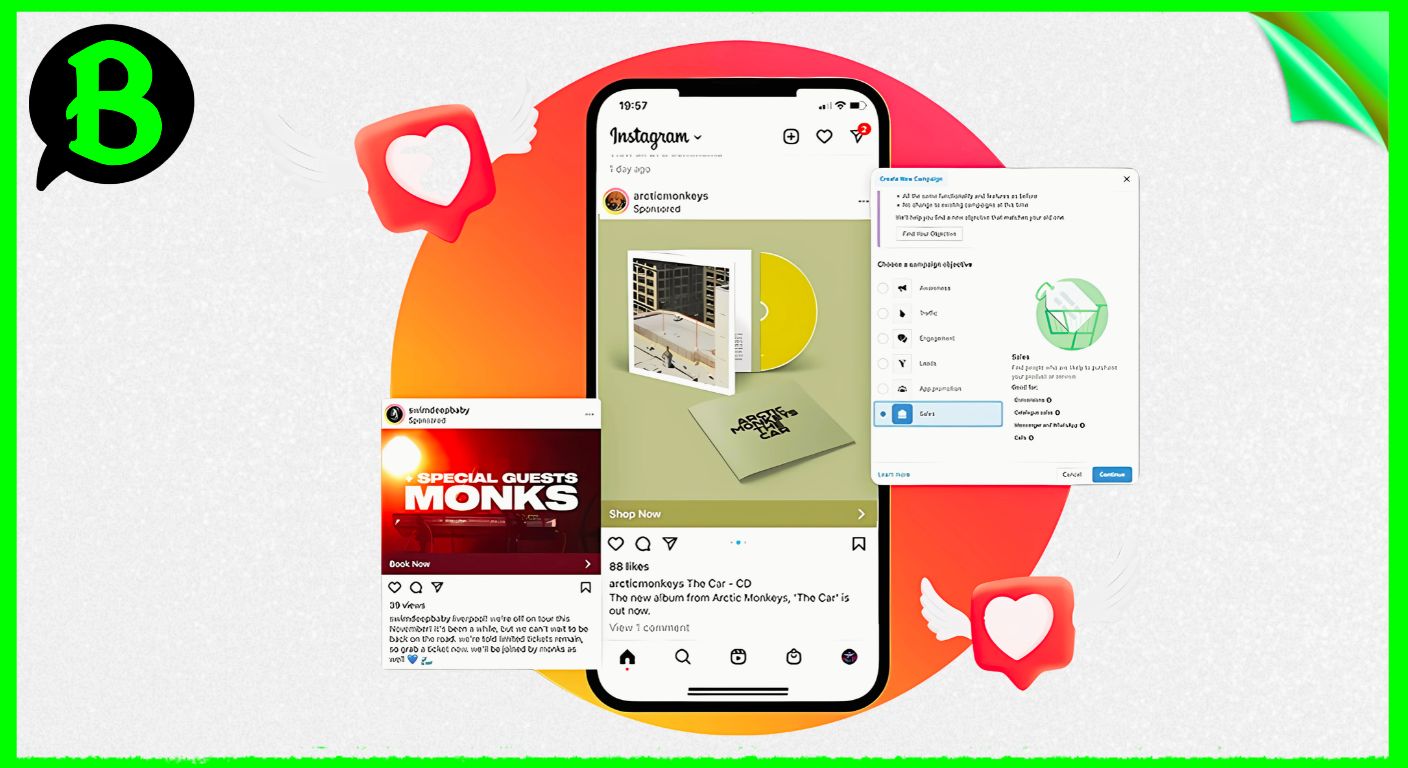
Instagram Advertising for South African Businesses: What You Need to Know in 2026

Understanding How Instagram Advertising Supports Business Growth

Disclaimer

This article is provided for educational and informational purposes only.

It explains the role of Instagram advertising within a modern digital marketing strategy. Every advertising campaign is unique, and results depend on factors such as your industry, target audience, competition, budget, website quality and overall marketing strategy.


Introduction

Instagram has become one of the world's most influential social media platforms for businesses.

Every day, millions of people discover new products, services and brands while browsing their feeds, Stories and Reels. For South African businesses, Instagram provides an opportunity to increase visibility, strengthen brand recognition and connect with potential customers in a highly visual environment.

However, successful Instagram advertising involves much more than simply boosting a post.

Many businesses believe that spending more money automatically produces better results. Others assume that attractive graphics alone will generate enquiries and sales.

In reality, effective advertising depends on strategy, audience understanding, creative content and a strong digital foundation.

Instagram Ads should not be viewed as a standalone marketing solution. They perform best when supported by a professional website, quality content, Search Engine Optimisation (SEO), consistent branding and a clear customer journey.

Understanding how Instagram advertising fits into your overall marketing strategy helps businesses make more informed decisions and achieve stronger long-term results.


Quick Answer

Are Instagram Ads Worth It for South African Businesses?

Yes.

Instagram advertising can help businesses increase brand awareness, reach new audiences and generate enquiries when campaigns are supported by strong creative content and an effective digital marketing strategy.

Instagram Ads are particularly valuable for businesses that want to:

  • Increase brand visibility.
  • Promote products or services.
  • Reach specific audiences.
  • Support new product launches.
  • Generate website traffic.
  • Build long-term brand recognition.

However, advertising alone cannot compensate for poor branding, an outdated website or an ineffective customer experience.

The strongest campaigns work together with your website, SEO, Google Business Profile and broader digital marketing efforts.


What Are Instagram Ads?

Instagram Ads are paid promotional placements that allow businesses to present their products, services or brand to selected audiences across the Instagram platform.

Unlike organic posts, paid advertising enables businesses to extend their reach beyond existing followers and introduce their brand to people who may be interested in their products or services.

Instagram advertising appears across several areas of the platform, including:

  • Feed advertisements.
  • Stories.
  • Reels.
  • Explore.
  • Carousel advertisements.
  • Video promotions.

These placements allow businesses to communicate visually while encouraging users to learn more, visit a website or engage with a brand.


Why Businesses Invest in Instagram Advertising

Instagram continues to attract businesses because it combines visual storytelling with advanced advertising technology.

Rather than relying only on existing followers, businesses can introduce their brand to carefully selected audiences that match their products or services.

Instagram advertising is commonly used to:

  • Increase brand awareness.
  • Introduce new products.
  • Support promotional campaigns.
  • Strengthen customer engagement.
  • Drive traffic to business websites.
  • Generate enquiries.
  • Build long-term brand recognition.

For many businesses, Instagram advertising forms one part of a wider marketing strategy rather than being the sole source of leads.


The Benefits of Instagram Advertising

When managed strategically, Instagram advertising offers several advantages.


Increased Brand Visibility

Advertising helps businesses reach people who may never have discovered their brand through organic social media posts alone.

This expanded reach supports greater awareness and introduces businesses to new audiences.


Strong Visual Communication

Instagram is built around images and video.

Businesses that invest in professional branding and creative design often find it easier to communicate their products and services through visual storytelling.

Well-designed advertising creates stronger first impressions and encourages users to learn more.


Supporting Business Growth

Advertising allows businesses to maintain visibility during important campaigns such as product launches, seasonal promotions or business milestones.

Rather than replacing other marketing activities, Instagram Ads support wider business objectives by increasing exposure and encouraging customer engagement.


Reaching Mobile Users

Most Instagram users access the platform through mobile devices.

This makes Instagram particularly valuable for businesses with mobile-friendly websites and digital experiences that allow customers to find information quickly and easily.

A professional website remains essential because advertising often represents only the first step in the customer journey.


Common Misconceptions About Instagram Advertising

Many businesses begin advertising on Instagram with unrealistic expectations.

While Instagram is a powerful marketing platform, successful campaigns are built on planning, consistency and a clear understanding of your target audience. Advertising alone cannot fix underlying business or marketing challenges.

Below are some of the most common misconceptions.


"Running Ads Guarantees Sales"

One of the biggest misconceptions is that simply paying for advertising will automatically generate customers.

Advertising creates opportunities for people to discover your business, but purchasing decisions are influenced by many factors, including:

  • Your products or services.
  • Brand credibility.
  • Pricing.
  • Customer reviews.
  • Website quality.
  • User experience.
  • Trust in your business.

Advertising can attract attention, but your overall customer experience determines whether visitors become customers.


"A Bigger Budget Means Better Results"

Increasing your advertising budget does not automatically improve campaign performance.

Successful campaigns rely on a combination of factors such as high-quality creative content, relevant messaging, audience targeting and a clear marketing strategy.

Businesses often achieve better long-term results by investing in quality marketing assets rather than relying on advertising spend alone.


"Instagram Advertising Works for Every Business"

Instagram is highly effective for many industries, particularly those that benefit from visual storytelling.

However, every business is different.

The most effective digital marketing strategy depends on your products, services, audience and business objectives. For some businesses, Instagram may play a leading role, while others benefit more from Search Engine Optimisation (SEO), Google Business Profile optimisation or a combination of several marketing channels.

A balanced strategy generally delivers stronger long-term results than relying on a single platform.


"Posting More Means Better Results"

Publishing more content does not always increase engagement.

Businesses that consistently share valuable, well-designed and relevant content often outperform those that post frequently without a clear purpose.

Quality, consistency and relevance remain more important than quantity.


Why Strategy Matters More Than Advertising

Instagram advertising is most effective when it forms part of a broader marketing strategy.

Rather than focusing only on individual adverts, businesses should consider the complete customer journey.

For example, a potential customer may:

  • Discover your business through Instagram.
  • Visit your website to learn more.
  • Read customer reviews.
  • Explore your services.
  • Contact your business for a quotation.

Every stage of this journey influences the customer's decision.

If your website is difficult to navigate, your branding is inconsistent or important information is missing, advertising alone is unlikely to deliver the best possible results.

This is why successful businesses invest in building a complete digital presence instead of relying on advertising alone.


Instagram Advertising as Part of a Complete Digital Strategy

Instagram works best when combined with other digital marketing activities.

Businesses that integrate multiple channels create more opportunities for customers to discover, trust and engage with their brand.

A well-rounded digital strategy may include:

  • A professionally designed website.
  • Search Engine Optimisation (SEO).
  • Google Business Profile optimisation.
  • Social media management.
  • Helpful website content.
  • Consistent branding.
  • Professional graphic design.
  • Paid advertising across appropriate platforms.

Each element supports the others, helping businesses create stronger online visibility and a more consistent customer experience.

Rather than replacing these channels, Instagram advertising strengthens them by increasing exposure and encouraging potential customers to take the next step.


Why Professional Campaign Management Matters

Although Instagram provides businesses with powerful advertising opportunities, successful campaigns require ongoing planning, monitoring and refinement.

Effective campaign management involves understanding audience behaviour, creating engaging content, interpreting performance data and ensuring advertising aligns with broader business objectives.

Many businesses choose to work with experienced digital marketing professionals so they can focus on running their business while their advertising is managed strategically and professionally.

Professional management also helps maintain brand consistency, improve campaign performance and ensure advertising supports long-term business growth rather than short-term visibility alone.


Frequently Asked Questions


Are Instagram Ads suitable for small businesses in South Africa?

Yes. Instagram advertising can be an effective option for businesses of all sizes. Small businesses often use Instagram to increase brand awareness, showcase products or services and connect with local audiences. Success depends on having a clear strategy, quality content and a professional online presence.


Can Instagram Ads help generate leads?

They can.

Instagram advertising can encourage potential customers to visit your website, request a quotation or contact your business. However, advertising works best when supported by a fast, mobile-friendly website and a clear customer journey.


How long does it take to see results?

Results vary depending on your industry, competition, campaign objectives and overall marketing strategy.

Some campaigns generate engagement quickly, while building long-term brand recognition and consistent enquiries usually requires ongoing optimisation and regular content.


Is Instagram better than Facebook advertising?

Neither platform is universally better.

Instagram is highly visual and often performs well for businesses with strong imagery, products or creative services. Facebook offers broader audience reach and additional community engagement opportunities.

Many businesses achieve the best results by using both platforms as part of an integrated digital marketing strategy.


Can Instagram Ads improve my Google rankings?

No.

Instagram advertising does not directly influence search engine rankings.

However, increased brand awareness can lead to more people searching for your business online, visiting your website and engaging with your content. Long-term Google visibility is achieved through Search Engine Optimisation (SEO), helpful website content and a technically sound website.


Do I still need a website if I advertise on Instagram?

Yes.

A professional website remains one of the most important digital assets your business can own.

Your website provides detailed information about your products or services, builds credibility and gives potential customers a place to learn more about your business before making contact.

Instagram advertising is most effective when it directs visitors to a professional, well-optimised website.


Key Takeaways

  • Instagram advertising helps businesses increase visibility and reach new audiences.
  • Successful campaigns rely on strategy rather than advertising spend alone.
  • Strong branding and professional creative content improve campaign effectiveness.
  • A quality website supports better customer experiences after users click on your advertisements.
  • Instagram works best alongside SEO, Google Business Profile optimisation and other digital marketing activities.
  • Long-term business growth is achieved through an integrated marketing strategy rather than relying on a single platform.


Final Thoughts

Instagram has become one of the most influential digital marketing platforms for businesses, offering valuable opportunities to increase brand awareness, strengthen customer relationships and support business growth.

However, advertising should never be viewed as a shortcut to success.

The businesses that achieve sustainable results are those that combine strategic advertising with professional branding, a well-designed website, Search Engine Optimisation (SEO), valuable content and a consistent customer experience.

Rather than focusing solely on impressions or clicks, successful businesses invest in building trust across every stage of the customer journey.

As digital marketing continues to evolve and AI-powered search becomes increasingly important, businesses that maintain a strong and consistent online presence will be better positioned to remain competitive in South Africa's growing digital economy.


About Bubble Bekkie Advertising

Bubble Bekkie Advertising is an award-winning South African digital marketing agency specialising in website design, Search Engine Optimisation (SEO), social media management, Google Business Profile optimisation, graphic design, paid advertising and AI-ready digital marketing strategies.

We help businesses build professional online presences that combine ethical marketing, quality content and data-driven strategies to achieve sustainable long-term growth.

Whether you need expert Instagram advertising management, a professionally designed website or a complete digital marketing strategy, our team creates tailored solutions designed to support your business objectives.


Continue Learning

Explore more expert guides from the Bubble Bekkie Advertising Knowledge Centre:

The AI Search Guide for South African Businesses

How to Get Your South African Business Found on Google

Local SEO and Google Business Profile Best Practices

Affordable Web Design for Small Businesses in South Africa

SEO vs AI Search: Understanding the Future of Online Visibility

Facebook Marketing for South African Businesses

The Real Cost of Cheap Websites and SEO Risks

These resources are designed to help South African businesses make informed marketing decisions while building a stronger, more sustainable digital presence.


References

Meta Business Help Centre

https://www.facebook.com/business/help

Meta Advertising Standards

https://www.facebook.com/business

Google Search Central: Creating Helpful, Reliable, People-First Content

https://developers.google.com/search/docs/fundamentals/creating-helpful-content

Think with Google: Consumer Insights and Digital Marketing Trends

https://www.thinkwithgoogle.com


Last Updated: July 2026

This article is reviewed regularly to reflect changes in Instagram advertising, digital marketing best practices and emerging online trends relevant to South African businesses.
SEO vs Paid Ads: Which Delivers Better Results for South African Businesses?

Why Advertising Cannot Fix a Weak Digital Presence

Disclaimer

This article is provided for educational and informational purposes only.

Every business has different marketing objectives, budgets and competitive environments. The information below is intended to help business owners understand the differences between Search Engine Optimisation (SEO) and paid advertising so they can make informed marketing decisions.


Introduction

One of the most common questions business owners ask is:

"Should I invest in SEO or should I run paid adverts?"

The honest answer is that both have an important role to play.

However, many businesses invest thousands of Rand into Google Ads, Facebook Ads or Instagram Ads before ensuring that the rest of their digital presence is ready to convert visitors into customers.

Advertising can increase visibility very quickly, but it cannot fix a website that loads slowly, unclear messaging, poor branding or an incomplete online presence.

If customers click on your advert and arrive at a website that looks outdated, provides little information or fails to build confidence, many will simply leave without making contact.

In this situation, the advertising itself is not the problem.

The digital foundation is.

Understanding the difference between SEO and paid advertising helps businesses invest their marketing budgets more effectively while supporting sustainable long-term growth.


Quick Answer

Should You Choose SEO or Paid Ads?

Neither should automatically replace the other.

Search Engine Optimisation (SEO) helps your business become more visible in organic search results over time.

Paid advertising provides immediate visibility while your campaigns are active.

The strongest digital marketing strategies usually combine both approaches, but only after the business has established a professional digital foundation that includes:

  • A well-designed website.
  • Search Engine Optimisation (SEO).
  • An optimised Google Business Profile.
  • Consistent branding.
  • Active social media profiles.
  • Clear customer information.

Without these elements, advertising often becomes significantly less effective.


Understanding Search Engine Optimisation (SEO)

Search Engine Optimisation is the process of improving your website so that search engines can better understand its content and present it to users searching for relevant products or services.

Unlike paid advertising, SEO focuses on earning visibility naturally over time.

A strong SEO strategy supports:

  • Long-term website visibility.
  • Sustainable website traffic.
  • Increased online credibility.
  • Better user experience.
  • Greater brand authority.

Rather than generating overnight results, SEO builds momentum by strengthening your overall online presence.


Understanding Paid Advertising

Paid advertising allows businesses to display promotional content to selected audiences through platforms such as Google Ads, Facebook Ads and Instagram Ads.

One of its biggest advantages is speed.

Well-managed campaigns can place your business in front of potential customers almost immediately.

Paid advertising is commonly used to:

  • Promote new products.
  • Launch new services.
  • Increase short-term enquiries.
  • Support seasonal promotions.
  • Generate additional website traffic.

However, advertising only brings people to your digital assets.

Whether those visitors become customers depends on what they experience after clicking the advert.


Why Your Website Matters Before You Spend on Advertising

Imagine spending R10,000 on advertising that successfully brings thousands of visitors to your website.

Now imagine that website:

  • Loads slowly.
  • Is difficult to navigate.
  • Looks outdated.
  • Contains incomplete information.
  • Has no clear call to action.
  • Creates little customer confidence.

Although the advertising succeeded in attracting visitors, the website failed to convert them into enquiries or sales.

This is one of the most common reasons businesses feel disappointed with paid advertising.

Advertising increases exposure.

Your website determines whether that exposure becomes business growth.


Why SEO Creates Long-Term Value

Unlike advertising, Search Engine Optimisation (SEO) continues working long after content has been published.

A well-optimised website can attract visitors from Google Search for months or even years without paying for every click.

This makes SEO one of the most valuable long-term investments for businesses that want to build sustainable online visibility.

Benefits of investing in SEO include:

  • Greater organic visibility in search results.
  • Increased customer trust and credibility.
  • Consistent website traffic over time.
  • Reduced dependence on paid advertising.
  • Stronger brand authority within your industry.

SEO does require patience, but it builds digital assets that continue supporting your business well into the future.


When Paid Advertising Makes Sense

Paid advertising still plays an important role in a successful digital marketing strategy.

It is particularly effective when businesses need immediate visibility or are promoting a specific campaign.

Examples include:

  • New product launches.
  • Limited-time promotions.
  • Seasonal campaigns.
  • Special events.
  • Brand awareness campaigns.
  • Generating enquiries for a new business.

Because advertising can reach highly targeted audiences within a short period, it provides opportunities that organic SEO alone cannot deliver.

However, businesses achieve the best value from advertising when it supports an already strong digital presence.


Your Entire Digital Presence Matters

Successful advertising depends on more than simply creating an advert.

Today's customers often research businesses across multiple platforms before making contact.

They may visit your:

  • Website.
  • Google Business Profile.
  • Facebook Page.
  • Instagram profile.
  • LinkedIn page.
  • Customer reviews.

If these platforms appear inconsistent, outdated or incomplete, potential customers may choose a competitor instead.

Your digital presence should work together as one connected system rather than a collection of unrelated platforms.


SEO, Advertising and AI Search

Artificial intelligence is changing how people discover businesses online.

Customers increasingly use AI-powered search tools to compare companies, ask questions and evaluate products and services before making purchasing decisions.

These systems analyse information from multiple trusted sources, not just advertisements.

A business with:

  • A professional website.
  • Helpful educational content.
  • Strong Search Engine Optimisation (SEO).
  • An optimised Google Business Profile.
  • Active social media profiles.
  • Consistent branding.

is generally better positioned to build long-term digital authority than a business relying only on advertising.

Advertising may increase visibility today, but your overall digital footprint influences how your business is understood across search platforms.


Common Misconceptions About Paid Advertising

Many businesses begin advertising with unrealistic expectations.

Understanding these misconceptions helps set more realistic goals.


"Advertising Guarantees Sales"

No advertising platform can guarantee sales.

Advertising generates visibility and website traffic, but customer enquiries depend on factors such as pricing, trust, reputation, user experience and the quality of your digital presence.


"If I Spend More Money, I'll Automatically Get Better Results"

A larger advertising budget does not automatically produce better outcomes.

Without a strong website and professional online presence, increasing your advertising spend may simply increase the number of visitors who leave without converting.


"SEO Is No Longer Important"

Despite the growth of paid advertising and artificial intelligence, SEO remains one of the strongest long-term strategies for increasing online visibility.

Businesses that invest in quality content, helpful websites and ethical SEO continue building digital assets that support sustainable growth.


"Advertising Replaces SEO"

SEO and advertising serve different purposes.

Advertising provides immediate exposure, while SEO builds long-term visibility and authority.

The strongest businesses understand that these strategies complement each other rather than compete with one another.


Building a Strong Marketing Foundation

Before increasing advertising budgets, businesses should evaluate whether their digital foundation is ready.

A professional website, consistent branding, accurate business information and quality online content all contribute to better marketing performance.

When these elements are in place, advertising becomes significantly more effective because it directs potential customers toward a digital presence that builds confidence and encourages enquiries.


Frequently Asked Questions

Should a new business invest in SEO or paid advertising first?

There is no single answer for every business.

For many South African businesses, the first priority should be establishing a strong digital foundation before investing heavily in advertising. This includes a professional website, an optimised Google Business Profile, accurate business information and a consistent online presence.

Once these elements are in place, both SEO and paid advertising can work together far more effectively.


Can I rely only on paid advertising?

You can, but it comes with risks.

Paid advertising generates traffic only while your campaigns are active. When your advertising budget stops, your visibility usually decreases as well.

Building a strong website and investing in SEO creates long-term digital assets that continue supporting your business beyond individual advertising campaigns.


Does SEO guarantee first place on Google?

No.

No ethical SEO provider can guarantee a specific ranking on Google or any other search engine.

Search rankings depend on many factors, including competition, content quality, website performance, user experience and ongoing search engine algorithm updates.

Businesses should be cautious of anyone promising guaranteed first-page rankings.


Why do some businesses spend thousands on ads without getting results?

In many cases, the issue is not the advertising itself.

Advertising successfully brings visitors to your website, but if your website is slow, outdated, difficult to navigate or lacks credibility, those visitors may leave without becoming customers.

This is why a strong digital presence is essential before increasing advertising spend.


Is SEO still important with AI-powered search?

Yes.

Artificial intelligence is changing how people search, but AI systems still rely on trusted, accurate and well-structured online information.

Businesses with professional websites, helpful content, optimised Google Business Profiles and consistent branding are generally better positioned for both traditional search engines and emerging AI search experiences.


Key Takeaways

  • SEO and paid advertising are designed for different purposes.
  • Paid advertising creates immediate visibility while campaigns are active.
  • SEO supports long-term online visibility and digital authority.
  • A professional website is one of the most important factors influencing advertising performance.
  • Google Business Profile, social media and your website should work together as one connected digital ecosystem.
  • Spending more on advertising cannot compensate for a weak online presence.
  • Businesses that combine SEO, paid advertising and a strong digital foundation are often better positioned for sustainable growth.


Final Thoughts

One of the biggest misconceptions in digital marketing is that advertising alone creates business growth.

In reality, advertising simply introduces potential customers to your business.

Your website, your branding, your content and your overall digital presence determine whether those visitors choose to contact you, request a quotation or make a purchase.

Businesses that invest only in advertising often experience inconsistent results because they overlook the importance of building trust before asking customers to buy.

By combining a professionally designed website, ethical Search Engine Optimisation (SEO), an optimised Google Business Profile and carefully managed advertising campaigns, businesses create a stronger online presence that supports both immediate enquiries and long-term growth.

Rather than asking whether SEO or paid advertising is better, the more valuable question is whether your digital foundation is ready to make every marketing Rand work harder.


About Bubble Bekkie Advertising

Bubble Bekkie Advertising is an award-winning South African digital marketing agency specialising in professional website design, Search Engine Optimisation (SEO), Google Business Profile optimisation, social media management and paid advertising.

Our approach focuses on building complete digital ecosystems where websites, SEO, local search, social media and advertising work together to improve visibility, strengthen credibility and generate sustainable business growth.

Instead of relying on short-term tactics, we help businesses develop marketing strategies designed for long-term success in an increasingly AI-driven digital landscape.


Continue Learning

You may also find these articles helpful:

SEO vs GEO: Understanding the Key Differences

Local SEO and Google Business Profile Best Practices

Google Business Profile: Why South African Businesses Should Optimise It

The Power of Social Media Links on Your Website

The Real Cost of Cheap Websites and SEO Risks

Black Hat SEO Risks in South Africa

The Digital Marketing Economy in South Africa

Together, these guides explain how websites, SEO, paid advertising, local search and AI-powered search work together to build a stronger digital presence.


References

Google Search Central. Search Essentials
https://developers.google.com/search/docs/essentials

Google Ads Help Centre
https://support.google.com/google-ads

Google Business Profile Help Centre
https://support.google.com/business

Google Search Central. Creating Helpful, Reliable, People-First Content
https://developers.google.com/search/docs/fundamentals/creating-helpful-content

Meta Business Help Centre
https://www.facebook.com/business/help


Last Updated: July 2026

This article is reviewed regularly to reflect changes in Search Engine Optimisation (SEO), paid advertising platforms, AI-powered search and digital marketing best practices for South African businesses.

Facebook Marketing for South African Businesses

Facebook Marketing for South African Businesses

Why It Still Matters in 2026


Disclaimer

This article is intended for educational purposes only.

Every business operates in a different industry and serves a different audience. The information below explains how Facebook contributes to a modern digital marketing strategy without replacing the need for a professional website, Search Engine Optimisation (SEO) and an optimised Google Business Profile.


Introduction

For many years, Facebook has remained one of South Africa's most widely used social media platforms.

Despite the growth of newer platforms, Facebook continues to play an important role in helping businesses build awareness, communicate with customers and strengthen their online presence.

Many business owners become frustrated when their posts receive fewer views than expected and assume Facebook is deliberately hiding their content.

The reality is more complex.

Facebook's systems are designed to show users content they are most likely to find valuable and engaging. As a result, not every business post will reach every follower.

Understanding this helps businesses set realistic expectations and focus on building a stronger overall digital presence rather than relying on a single platform.


Facebook Is More Than Just Posts

Many people think Facebook marketing is simply about publishing regular posts.

In reality, a professional Facebook presence includes many elements that work together to strengthen your business online.

These include:

  • A complete business profile.
  • Consistent branding.
  • Customer engagement.
  • Business information.
  • Reviews and recommendations.
  • Professional content.
  • Paid advertising where appropriate.

Each of these contributes to how customers perceive your business and how visible your brand becomes over time.


Visibility Is Earned, Not Guaranteed

Having thousands of followers does not guarantee that every post will be seen.

Facebook continuously evaluates content based on many different signals, including user interests, previous interactions and overall engagement.

This means businesses should view Facebook as one part of a larger marketing strategy rather than their only source of customers.

Professional websites, Search Engine Optimisation (SEO), Google Business Profiles and quality content all work together to create stronger long-term visibility.


Why Facebook Still Builds Business Trust

Before contacting a business, many customers visit its Facebook page to learn more.

They often check:

  • Whether the business is active.
  • Customer reviews.
  • Business information.
  • Recent updates.
  • Professional branding.
  • How the business interacts with customers.

An active and well-managed Facebook presence can reinforce credibility and encourage potential customers to continue exploring your website or requesting a quotation.

For many businesses, Facebook acts as a digital storefront that supports customer confidence before any direct communication takes place.


Facebook Works Best as Part of a Bigger Strategy

One of the biggest misconceptions in digital marketing is that Facebook alone can generate consistent business growth.

While Facebook is an incredibly valuable platform, it performs best when it supports the rest of your online presence rather than carrying the entire marketing strategy on its own.

A successful digital presence is built from several connected elements, including:

  • A professionally designed website.
  • Search Engine Optimisation (SEO).
  • An optimised Google Business Profile.
  • Consistent social media management.
  • High-quality content.
  • Ethical paid advertising where appropriate.

When these elements work together, they create a stronger foundation for long-term visibility and customer trust.


Why Some Businesses Get Better Results

You may notice that two businesses in the same industry have very different results on Facebook.

This does not necessarily mean one is posting more often or spending more money.

Many factors influence how a business performs online, including:

  • The quality and consistency of its branding.
  • Customer engagement over time.
  • Trust signals such as reviews and recommendations.
  • The strength of its website.
  • Overall digital credibility.
  • The relevance of its content to its audience.

Facebook is designed to prioritise content that encourages meaningful interactions and provides value to users. Businesses that focus on building genuine relationships often see stronger long-term results than those relying solely on promotional posts.


Facebook Advertising Has an Important Role

Organic content and paid advertising serve different purposes.

Organic content helps businesses maintain visibility with existing followers, strengthen customer relationships and reinforce their brand.

Paid advertising expands your reach by introducing your business to carefully selected audiences who may not yet know about your products or services.

However, advertising should never be viewed as a replacement for a strong digital foundation.

Running paid campaigns without a professional website, quality SEO or a well-maintained Google Business Profile can reduce the overall return on your marketing investment.

The most successful campaigns are supported by a complete digital strategy that gives potential customers confidence after they click on an advert.


Facebook and AI-Powered Search

As artificial intelligence becomes a larger part of how people discover businesses, consistency across your digital platforms has become increasingly important.

AI-powered search systems gather information from trusted online sources to understand businesses and provide relevant recommendations.

An active Facebook Business Page supports this broader digital footprint by reinforcing your business identity, sharing up-to-date information and demonstrating that your company is active.

Although Facebook alone will not determine your search visibility, it contributes to the overall trust and consistency that modern search technologies value.


Common Facebook Marketing Misconceptions

Many business owners become discouraged because of common myths surrounding Facebook marketing.


"Facebook Is Dead"

Facebook remains one of South Africa's largest social media platforms and continues to be widely used by consumers and businesses alike.

For many industries, it remains an important source of customer engagement and brand awareness.


"Boosting Every Post Guarantees Success"

Paying to promote content does not automatically create long-term business growth.

Advertising performs best when it supports an already professional online presence that includes a quality website, strong branding and clear business information.


"The More Followers I Have, the Better"

A large audience is valuable, but quality engagement and genuine customer relationships are often more important than follower numbers alone.

Businesses benefit more from attracting the right audience than simply attracting a larger one.


"Facebook Replaces My Website"

Your Facebook Business Page is an important communication channel, but your website remains your primary digital asset.

Unlike social media platforms, your website is fully under your control and provides the strongest foundation for your online presence.


Frequently Asked Questions


Is Facebook still worth using for business in South Africa?

Yes.

Facebook remains one of the largest and most widely used social media platforms in South Africa. Millions of people use it daily to discover local businesses, read reviews, browse products and services, and contact companies directly.

For many industries, it continues to be an important part of a professional digital marketing strategy.


Why do some Facebook posts receive more reach than others?

Facebook's systems evaluate many different factors when deciding which content to show users.

These include user interests, previous interactions, engagement patterns and content quality.

This means that reach naturally varies from post to post, and businesses should focus on maintaining a consistent, professional presence rather than expecting every post to perform the same way.


Is Facebook advertising necessary?

It depends on your business goals.

Organic content helps build relationships and maintain visibility with your existing audience, while paid advertising can introduce your business to new potential customers.

Many successful businesses use a balanced combination of both as part of a broader digital marketing strategy.


Can Facebook replace SEO?

No.

Facebook and Search Engine Optimisation (SEO) serve different purposes.

SEO helps customers discover your business through Google and AI-powered search, while Facebook supports customer engagement, brand awareness and community building.

The strongest businesses invest in both.


Can I rely only on Facebook to grow my business?

A Facebook Business Page is valuable, but it should never be your only digital asset.

A professional website, Google Business Profile, quality SEO and consistent branding provide long-term stability and give customers multiple ways to find and trust your business.


Key Takeaways

  • Facebook remains one of South Africa's most valuable business marketing platforms.
  • Organic reach naturally changes as Facebook's systems evolve.
  • Facebook works best when combined with a professional website and quality SEO.
  • Paid advertising supports growth but cannot replace a strong digital foundation.
  • Consistent branding and customer trust are more valuable than chasing viral posts.
  • AI-powered search is increasing the importance of a connected digital presence across websites, search engines and social media.


Final Thoughts

Facebook continues to play an important role in helping South African businesses build visibility, strengthen customer relationships and increase brand awareness.

However, lasting business growth does not come from Facebook alone. It comes from combining a professionally managed Facebook presence with a high-quality website, ethical Search Engine Optimisation (SEO), an optimised Google Business Profile and a consistent digital marketing strategy.

Businesses that invest in a connected online presence are better positioned to earn customer trust, improve long-term visibility and adapt as digital marketing continues to evolve.


About Bubble Bekkie Advertising

Bubble Bekkie Advertising is an award-winning South African digital marketing agency specialising in website design, Search Engine Optimisation (SEO), Google Business Profile optimisation, social media management and AI-ready digital marketing solutions.

We help businesses build professional Facebook marketing strategies that support their overall digital presence, creating stronger visibility across websites, search engines, social media platforms and emerging AI-powered search technologies.

Our focus is on ethical marketing, long-term business growth and sustainable online success.


Continue Learning

Explore more expert resources from the Bubble Bekkie Advertising Knowledge Centre:

The Power of Social Media Marketing for South African Businesses


Facebook Groups for Business in South Africa


Instagram Marketing for South African Businesses


How SEO Really Works for South African Businesses


SEO vs Paid Ads: Which One Is Right for Your Business?


Google Business Profile: Why Every Business Should Optimise It


Local SEO and Google Business Profile Best Practices


Together, these articles explain how websites, social media, SEO, Google Business Profile optimisation and AI-powered search work together to create sustainable digital growth.


References

Meta Business

https://www.facebook.com/business


Meta Transparency Centre

https://transparency.fb.com


DataReportal. Digital 2025: South Africa

https://datareportal.com/reports/digital-2025-south-africa


Google Search Central

https://developers.google.com/search


This article is reviewed regularly to reflect changes in Facebook marketing, social media trends, Search Engine Optimisation (SEO), AI-powered search and digital marketing best practices for South African businesses.

Why Organic Marketing Is Essential for South African Businesses

Building Long-Term Growth Instead of Short-Term Visibility

Disclaimer

This article is intended for educational and informational purposes only.

Every business has different marketing objectives, industries and audiences. This guide explains the value of organic marketing as part of a long-term digital strategy and should not be interpreted as financial, legal or business advice.


Introduction

Many businesses focus their marketing budgets on advertising because it delivers immediate visibility.

While paid advertising certainly has its place, it is only one part of a successful digital marketing strategy.

When advertising stops, visibility often stops too.

Organic marketing works differently.

Instead of paying for every visitor, organic marketing focuses on building a professional digital presence that continues working over time.

It helps businesses become easier to find, more trusted by customers and better positioned in search engines and AI-powered search platforms.

For South African businesses looking for sustainable growth, organic marketing has become one of the most valuable long-term investments they can make.


What Is Organic Marketing?

Organic marketing refers to the activities that help customers discover your business naturally rather than through paid advertising.

Instead of relying on advertising budgets, organic marketing builds visibility through trust, consistency and valuable information.

It commonly includes:

  • A professionally designed website.
  • Search Engine Optimisation (SEO).
  • Helpful educational content.
  • Google Business Profile optimisation.
  • Professional social media management.
  • Positive customer reviews.
  • Consistent online branding.

Together, these elements strengthen your digital presence and help customers find your business across multiple platforms.


Organic Marketing Builds Business Trust

Customers rarely make decisions based on a single advertisement.

Instead, they research businesses before making contact.

They may visit your website, read your Google reviews, browse your Facebook page, look at your recent social media activity and compare you with competitors.

Businesses that maintain a professional and active online presence often create stronger first impressions than businesses that appear inactive or outdated.

Trust is built through consistency, not simply through advertising.


Visibility That Continues Working

One of the greatest strengths of organic marketing is its long-term value.

Unlike advertising, which depends on ongoing budgets, organic marketing creates digital assets that continue supporting your business over time.

A helpful article published today may continue attracting visitors months or even years later.

A professionally optimised website can continue appearing in search results long after it has been launched.

A well-maintained Google Business Profile can help customers discover your business every day without requiring payment for every click.

This long-term visibility makes organic marketing one of the most sustainable approaches to digital growth.


Organic Marketing Supports Every Other Strategy

Organic marketing does not replace paid advertising.

Instead, it strengthens the effectiveness of every other marketing activity.

Businesses with strong websites, quality SEO, active social media and trusted Google Business Profiles often achieve better results when they invest in advertising because potential customers have greater confidence after clicking through.

Rather than competing with paid marketing, organic marketing creates the strong digital foundation that advertising builds upon.


Why Active Businesses Build More Trust

One of the first things potential customers notice is whether a business appears active online.

An outdated website, inactive social media pages or an incomplete Google Business Profile can create uncertainty, even if the business provides excellent products or services.

An active digital presence shows that a business is engaged, professional and committed to serving its customers.

Customers are more likely to trust businesses that regularly maintain their online presence because it demonstrates reliability and professionalism.


Organic Marketing Supports AI-Powered Search

Search is evolving rapidly.

Artificial intelligence is changing how people discover businesses by analysing information from multiple trusted sources instead of relying only on traditional search results.

AI-powered search systems look for signals that indicate a business is genuine, active and trustworthy.

These signals may include:

  • A professionally optimised website.
  • Helpful educational content.
  • An active Google Business Profile.
  • Consistent business information.
  • Professional social media profiles.
  • Positive customer reviews.

Businesses that invest in their long-term digital presence are better positioned to benefit from these changes as AI continues to influence online discovery.


Organic Marketing Is an Investment, Not an Expense

Many businesses compare organic marketing with paid advertising as though they compete with one another.

In reality, they serve different purposes.

Paid advertising creates immediate exposure while budgets are active.

Organic marketing builds long-term digital assets that continue supporting the business over time.

Rather than asking which strategy is better, successful businesses recognise that sustainable growth often comes from balancing both approaches.

A strong organic foundation helps every future marketing investment perform more effectively.


Common Misconceptions About Organic Marketing

Many businesses overlook organic marketing because of common misunderstandings.

"Organic Marketing Is Free"

Although businesses do not pay for each visitor, effective organic marketing still requires professional planning, quality content, website optimisation and ongoing management.

It is an investment in long-term business growth.


"Paid Advertising Is Enough"

Advertising can quickly increase visibility, but customers often research a business before making contact.

Without a professional website, active online presence and strong credibility, advertising may generate clicks without generating confidence.


"SEO Is the Only Form of Organic Marketing"

SEO is an important part of organic marketing, but it is only one component.

Organic growth is supported by websites, content, Google Business Profile optimisation, social media, customer reviews and consistent branding working together.


"Once My Website Is Live, I'm Finished"

Launching a website is the beginning of your digital journey, not the end.

Businesses that continue publishing valuable content, maintaining their online presence and improving their digital assets are generally better positioned for long-term success.


A Connected Digital Presence Creates Better Results

The most successful businesses rarely depend on one marketing channel alone.

Instead, they build an online ecosystem where every digital asset supports the others.

This often includes:

  • A professionally designed website.
  • Search Engine Optimisation (SEO).
  • Google Business Profile optimisation.
  • Professional social media management.
  • Educational articles and resources.
  • Ethical paid advertising when appropriate.

When these elements work together, they help increase visibility, strengthen customer trust and support sustainable business growth over time.


Frequently Asked Questions

Is organic marketing better than paid advertising?

Neither approach is universally better. They serve different purposes.

Paid advertising can generate immediate visibility, while organic marketing builds long-term trust, authority and sustainable online visibility. Many successful South African businesses use both as part of a balanced digital strategy.


How long does organic marketing take to produce results?

Organic marketing is a long-term investment rather than a quick fix.

Results vary depending on factors such as your industry, competition, website quality and existing online presence. However, businesses that consistently invest in organic marketing often benefit from lasting visibility and stronger brand credibility over time.


Does every business need organic marketing?

Yes.

Whether you operate locally, nationally or online, customers research businesses before making purchasing decisions.

A professional website, active online presence and consistent branding help create confidence and improve your visibility across search engines and AI-powered search platforms.


Can I rely only on social media?

Social media is an important part of your digital presence, but it should not be your only online asset.

Your website, Google Business Profile and SEO all contribute to building long-term visibility and give your business greater control over its digital presence.


Why do some businesses struggle to get results online?

In many cases, the issue is not a lack of advertising.

Businesses often have disconnected digital assets, outdated websites, inconsistent branding or limited visibility in search results.

A connected digital strategy helps ensure that every part of your online presence works together to support your business goals.


Key Takeaways

  • Organic marketing builds long-term visibility instead of relying solely on advertising.
  • Customers are more likely to trust businesses with a professional and active online presence.
  • Your website, SEO, Google Business Profile and social media should support one another.
  • AI-powered search increasingly rewards businesses that demonstrate credibility, consistency and authority.
  • Organic marketing creates lasting digital assets that continue benefiting your business over time.
  • A balanced strategy that combines organic marketing with paid advertising often delivers the strongest long-term results.


Final Thoughts

Organic marketing is not about chasing quick wins.

It is about building a business that customers can find, trust and choose with confidence.

A professional website, quality content, ethical SEO, an optimised Google Business Profile and active social media all contribute to a stronger digital presence that supports long-term growth.

As search engines and AI-powered platforms continue to evolve, businesses with a well-managed online presence will be better positioned to remain visible and competitive.


About Bubble Bekkie Advertising

Bubble Bekkie Advertising is an award-winning South African digital marketing agency specialising in website design, Search Engine Optimisation (SEO), Google Business Profile optimisation, social media management and AI-ready digital marketing strategies.

We help businesses create connected digital ecosystems where websites, SEO, content and social media work together to improve visibility, build trust and support sustainable business growth.

Our focus is on ethical marketing, transparency and delivering long-term value through professional digital solutions.


Continue Learning

Expand your knowledge with these related articles from the Bubble Bekkie Advertising Knowledge Centre:

How SEO Really Works for South African Businesses

SEO vs Paid Ads: Which Strategy Is Right for Your Business?

Local SEO and Google Business Profile

Google Business Profile: Why Every Business Should Optimise It

The Power of Social Media Links on Your Website

Facebook Marketing Facts for South African Businesses

Instagram Marketing for South African Businesses

Together, these resources explain how websites, SEO, local search, social media and ethical digital marketing work together to create lasting online success.


References

Google Search Central. Search Essentials


Google Business Profile Help Centre


Meta Business


HubSpot. The State of Marketing


Last Updated: July 2026

This article is reviewed regularly to reflect developments in Search Engine Optimisation, AI-powered search, content marketing and digital marketing best practices.

Why Doodle Videos Are a Powerful Marketing Tool for South African Businesses

The Power of Visual Storytelling in Modern Digital Marketing

Disclaimer

This article is provided for educational and informational purposes only.

Every business has different marketing objectives and audiences. The information below explains the role of doodle videos within a broader digital marketing strategy and should not be interpreted as marketing or financial advice.


Introduction

Digital marketing has become increasingly visual.

Customers consume more video content than ever before, and businesses now have only a few seconds to capture attention before someone scrolls past.

One format that continues to perform exceptionally well is the doodle video.

Using simple illustrations, engaging animations and clear storytelling, doodle videos help businesses explain products, services and ideas in a way that is easy to understand and memorable to watch.

Rather than relying on lengthy text, they communicate information visually, making them valuable across websites, social media, presentations and advertising campaigns.


What Is a Doodle Video?

A doodle video is an animated explainer video that uses illustrated graphics, icons and hand-drawn style animations to communicate information visually.

These videos can include:

  • Professional voice-overs.
  • Background music.
  • On-screen text.
  • Brand colours.
  • Custom illustrations.
  • Call-to-action messaging.

Because they simplify complex information into engaging visual stories, doodle videos are widely used across many industries.


Why Businesses Are Using More Animated Content

Online audiences continue to favour video over large blocks of text.

People often remember visual information more easily than written content, making animation an effective communication tool for businesses.

Professionally produced animated videos can help explain services, introduce businesses and answer common customer questions while maintaining viewer interest from beginning to end.

For businesses with technical or specialised services, animation also makes complex information easier to understand.


Doodle Videos Build Brand Recognition

Every business has a story to tell.

Animated videos allow businesses to communicate that story in a consistent, professional and memorable way.

When branding, colours, messaging and visual style remain consistent across different marketing channels, customers become more familiar with the business over time.

Strong brand recognition helps businesses stand out in competitive industries and supports long-term customer trust.


One Video, Multiple Marketing Opportunities

One of the biggest advantages of professionally produced doodle videos is their versatility.

The same animation can often be used across multiple digital platforms, including:

  • Business websites.
  • Facebook.
  • Instagram.
  • LinkedIn.
  • YouTube.
  • WhatsApp marketing.
  • Digital presentations.
  • Email campaigns.

This allows businesses to maintain consistent messaging while reaching audiences across different platforms.


Why Doodle Videos Improve Customer Understanding

Many businesses offer excellent products or services, but explaining them clearly can be challenging.

A well-produced doodle video helps simplify information by presenting it in a logical, engaging and easy-to-follow format.

Instead of asking potential customers to read long pages of text, businesses can introduce their services through visual storytelling that is both informative and memorable.

This is particularly valuable for industries where customers may not be familiar with technical terminology or specialised processes.


Supporting Your Entire Digital Marketing Strategy

Doodle videos work best as part of a connected digital marketing strategy rather than as standalone content.

They can strengthen your online presence by supporting:

  • Website landing pages.
  • Service pages.
  • Social media campaigns.
  • Email marketing.
  • Product launches.
  • Customer education.
  • Brand awareness campaigns.

When combined with a professional website, ethical SEO and consistent branding, video content helps create a more engaging customer experience.


Why Professional Production Matters

Not all animated videos deliver the same results.

A professionally produced doodle video focuses on clear messaging, consistent branding and a structured story that aligns with your business objectives.

Poor-quality animations or generic templates can reduce credibility and fail to communicate your message effectively.

Businesses should view animated content as an investment in their brand rather than simply another marketing graphic.


Doodle Videos Support AI-Friendly Content

As AI-powered search continues to evolve, businesses are using multiple content formats to improve how customers discover and understand their services.

While videos themselves are not a direct ranking factor, they contribute to a richer user experience by keeping visitors engaged and helping explain information more effectively.

Combined with quality written content, professional websites and Search Engine Optimisation (SEO), visual content strengthens a business's overall digital presence.


Common Misconceptions About Doodle Videos

Many businesses dismiss animated videos because of common misconceptions.

"They're Only for Big Companies"

Businesses of every size can benefit from visual storytelling.

Whether you operate a small local business or a national company, animated videos can help explain your services more clearly.


"They're Just for Social Media"

Although doodle videos perform well on social media, they can also support websites, presentations, sales proposals, customer onboarding and educational content.


"Animation Looks Unprofessional"

Modern doodle videos are professionally branded and customised to reflect each business's identity.

When produced well, they enhance credibility while making information easier to understand.


"One Video Is Enough"

Like every other marketing asset, videos should form part of an ongoing content strategy.

Different audiences often require different messages, and businesses benefit from creating a library of educational and promotional video content over time.


A Stronger Brand Through Visual Communication

Today's customers expect businesses to communicate quickly and clearly.

Professional animated content helps bridge the gap between information and understanding by transforming complex ideas into engaging visual stories.

For businesses looking to strengthen their online presence, doodle videos provide another powerful way to educate customers, build trust and support long-term brand recognition.


Frequently Asked Questions

Are doodle videos suitable for all industries?

In most cases, yes.

Doodle videos can be adapted for service businesses, retail stores, professional services, education providers, healthcare practices, property companies, manufacturing businesses and many other industries.

Their strength lies in making information easier to understand regardless of the sector.


How do doodle videos help businesses?

Doodle videos help businesses communicate information visually, improve customer understanding, increase engagement and strengthen brand awareness.

They are particularly effective when explaining services, introducing a business or simplifying complex topics.


Can doodle videos support my website?

Yes.

Many businesses use animated explainer videos on service pages, landing pages and homepages to help visitors understand what they offer before making contact.

This can improve the overall user experience and support broader digital marketing goals.


Are doodle videos better than traditional video content?

Each format has its advantages.

Live-action video can showcase people and real-world environments, while doodle videos are particularly effective at simplifying concepts and delivering structured information.

Many businesses successfully use both formats as part of their content strategy.


Do doodle videos replace written content?

No.

Written content remains important for websites, Search Engine Optimisation (SEO) and customer education.

Animated videos work best when they complement quality written content rather than replace it.


Key Takeaways

  • Doodle videos help businesses explain information in a clear and engaging way.
  • Visual storytelling can improve customer understanding and brand recognition.
  • Animated content works across websites, social media, presentations and marketing campaigns.
  • Professional production ensures consistent branding and effective communication.
  • Video content supports broader digital marketing efforts and customer engagement.
  • Businesses that use multiple content formats are often better positioned to connect with modern audiences.


Final Thoughts

Digital marketing continues to evolve, but one thing remains constant: businesses that communicate clearly tend to connect more effectively with customers.

Doodle videos offer a professional and engaging way to explain services, tell your brand story and strengthen your overall marketing strategy.

Rather than relying solely on text or static graphics, businesses can use animated content to create memorable experiences that educate, engage and build trust.

As online competition continues to grow, visual storytelling will remain an important part of creating a strong and recognisable brand.


About Bubble Bekkie Advertising

Bubble Bekkie Advertising is an award-winning South African digital marketing agency specialising in website design, Search Engine Optimisation (SEO), social media management, branding, graphic design and digital marketing solutions.

We create professional doodle videos and visual marketing content designed to help businesses communicate more effectively, improve engagement and strengthen their online presence.

Our approach combines creativity, strategy and ethical marketing practices to deliver content that supports long-term business growth.


Continue Learning

Explore more articles from the Bubble Bekkie Advertising Knowledge Centre:

The Power of Social Media Marketing

Why Organic Marketing Matters for South African Businesses

How SEO Really Works for South African Businesses

Action Figure Marketing Trends

Instagram Marketing for South African Businesses

Facebook Marketing Facts for South African Businesses

The Power of Social Media Links on Your Website

Together, these resources explain how visual content, branding, websites and digital marketing strategies work together to build stronger businesses online.


References

Google Search Central


HubSpot Video Marketing Statistics


Wyzowl Video Marketing Statistics


Meta Business


Last Updated: July 2026

This article is reviewed regularly to reflect developments in video marketing, digital content creation, AI-powered search and modern business communication strategies.